Okay, let's settle this debate once and for all. You're planning your next adventure with your four-legged best friend, and you're torn between two completely different vibes: the splash-happy excitement of dog water parks or the wild, untamed beauty of traditional camping. It's like choosing between a tailgate party and a quiet evening by the campfire – both have their magic, but they deliver totally different experiences.
I've been on both sides of this fence more times than I can count, and honestly? The "right" choice depends entirely on what makes your pup's tail wag the hardest. Let me walk you through what I've learned from countless adventures (and a few spectacular failures) with dogs who couldn't be more different from each other.
The Water Park Wonder: Structured Splash Zone Fun
Picture this: you roll up to a campground like Walnut Hills Family Campground, and your dog's eyes go wide at the sight of a massive Wibit water park floating on a pristine lake. There's something undeniably exciting about watching a water-loving dog discover these aquatic playgrounds for the first time.
Water park campgrounds deliver what I like to call "structured adventure." Your pup gets all the cooling relief and swimming action they crave, but within boundaries that keep everyone safe and happy. There's no guessing whether that murky pond is safe for swimming or worrying about strong currents – it's all been figured out for you.

I remember camping with my friend's Golden Retriever, Murphy, at one of these setups last summer. This dog lived for water, but he was also the type who'd chase every duck, frog, and floating leaf he spotted in natural waterways. At the water park? He could splash to his heart's content while staying in designated areas. The peace of mind was incredible, especially since Murphy had zero recall when wildlife was involved.
What really sold me on the water park approach was watching how it solved the "energy management" puzzle. You know the one – where your high-energy dog is bouncing off the tent walls by hour two of a camping trip. The structured play areas let dogs burn through that excess energy in a controlled way, leaving them perfectly content to chill at the campsite later.
The social aspect is pretty great too. Dog water parks tend to attract families with active, friendly pups, so if your dog thrives on meeting new friends, it's like a built-in playdate network. Plus, many of these campgrounds pair the water features with dedicated dog parks, so even the pups who prefer dry land socializing get their fix.
Traditional Camping: The Call of the Wild
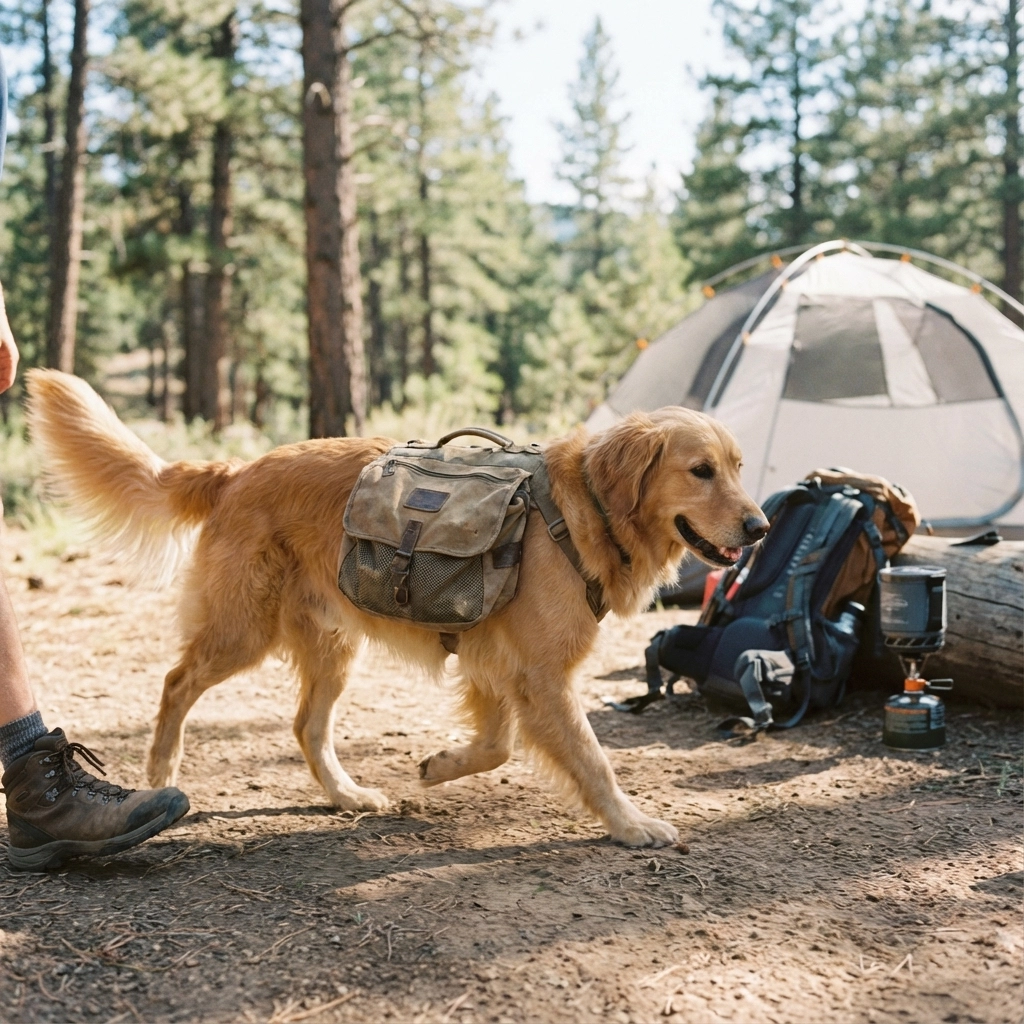
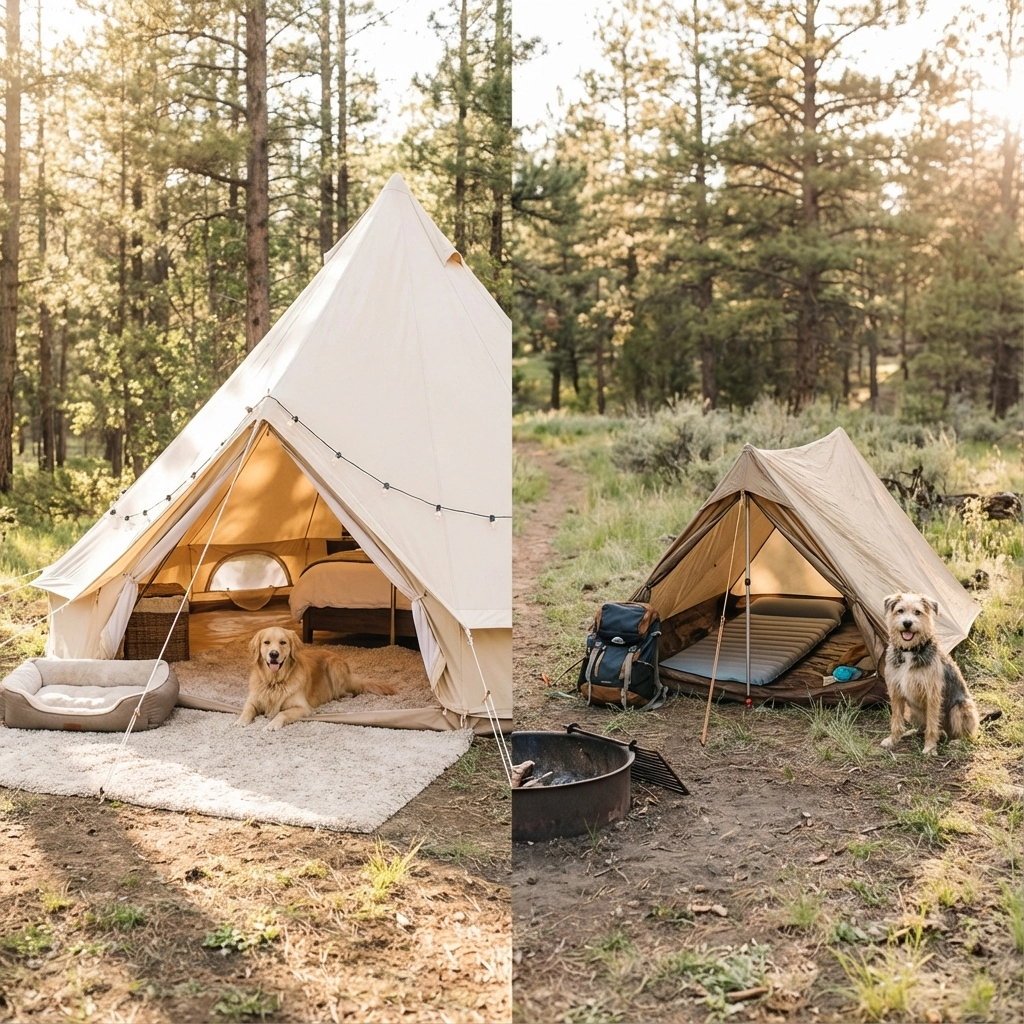
Now, before all the water park enthusiasts start howling, let me make the case for good old-fashioned wilderness camping. There's something magical about watching your dog experience the world the way their ancestors did – nose to the ground, following ancient scent trails through forests that have stories to tell.
Traditional camping gives your pup sensory experiences you just can't replicate anywhere else. Every hiking trail offers a new adventure, every stream crossing becomes a mini expedition, and every evening around the campfire lets your dog settle into that primal rhythm of pack life. It's less about structured activities and more about following your dog's natural instincts.
I've watched dogs transform on traditional camping trips. Take my neighbor's rescue, Sadie, who started as this anxious, city-dwelling pup who jumped at every car horn. Three days into a backcountry camping trip, she was confidently leading us down trails, her confidence building with every successful stream crossing and wildlife sighting (from a respectful distance, of course).
The freedom factor is huge here. Your dog isn't confined to designated play areas – they're free to explore, investigate interesting smells, and engage with their environment on their own terms. That natural shoreline where they can wade in gradually? Way better for a nervous swimmer than jumping into a designated swimming area. The hiking trails that wind through different terrains? Perfect for dogs who need mental stimulation as much as physical exercise.
Traditional camping also teaches both you and your pup to be more self-reliant. You learn to read natural water sources, understand your dog's limits, and develop those outdoor skills that make you feel genuinely accomplished. There's pride in successfully navigating a challenging trail or finding the perfect campsite by a babbling creek.
Real Talk: It's All About Your Dog's Personality
Here's where I'm going to get brutally honest with you – the "better" choice isn't about which option sounds cooler or more adventurous. It's about matching the experience to your dog's actual personality and needs.
Some dogs are natural socialites who thrive in organized, social environments. They love meeting new dogs, enjoy supervised activities, and actually prefer having clear boundaries. These pups often shine at water park campgrounds where there's always something happening and plenty of structured fun to be had.
Other dogs are independent spirits who need space to be themselves. They prefer investigating the world at their own pace, following their nose wherever it leads, and having quiet time to process all those wild scents and sounds. Traditional camping gives these dogs the freedom to be authentically dog-like without feeling overwhelmed by too much stimulation.
Then there are the anxious dogs – and this is where things get interesting. Some anxious pups feel more secure in controlled environments where they know what to expect. Others find their confidence in the quiet predictability of nature, where they don't have to navigate complex social situations or worry about other dogs' energy.
I've learned this lesson the hard way more than once. My assumption that every dog would love splashing around at a water park was definitely proven wrong by a Border Collie named Rex who spent the entire first day hiding under a picnic table, overwhelmed by all the activity. But put that same dog on a quiet trail? He became a confident, focused hiking companion who clearly preferred the mental challenges of navigating terrain over social play.
The Hybrid Approach: Why Not Both?
Now here's where things get really interesting – and where I think the camping industry has gotten pretty smart. More and more campgrounds are offering both experiences at the same location. Places like Walnut Hills understand that families don't want to choose between water park fun and traditional outdoor experiences.

These hybrid campgrounds let you tailor each day to your dog's mood and energy level. Feeling social and energetic? Head to the dog park and water features. Need some quiet exploration time? Take the forest trails that wind away from the action. Your pup is overheated and cranky? Cool off at the swimming area. Want some bonding time? Find a quiet spot by the natural shoreline for some peaceful together time.
This approach has honestly saved more than one camping trip for me. Dogs have moods just like we do, and having options means you can pivot when your original plan isn't working. I've had days where my adventure companion was all about the structured play in the morning but needed quiet exploration time by afternoon.
The flexibility also works great for multi-dog families or groups where different dogs have different preferences. The water-loving Lab can splash around while the hiking-obsessed Husky gets trail time with a different family member.
Making the Choice That Works for You
So how do you actually decide? Start by honestly assessing your dog's personality and past experiences. Does your pup light up around other dogs, or do they prefer one-on-one attention? Are they confident in new situations, or do they need time to warm up? Do they love water, tolerate it, or actively avoid it?
Consider your own camping style too. Are you looking for a vacation where activities are planned and organized, or do you prefer the flexibility of creating your own adventures? Do you want the security of knowing facilities are maintained and safe, or do you enjoy the challenge of navigating natural environments?
Think about practical factors as well. Water park campgrounds often offer more amenities – clean restrooms, shower facilities, camp stores, and sometimes even wifi. Traditional camping might mean primitive facilities but also lower costs and fewer crowds.
The truth is, both styles can create incredible memories with your dog. I've seen dogs discover their love for swimming at organized water parks, and I've watched city pups find their inner wilderness spirit on backcountry trails. The magic isn't in the setting – it's in sharing new experiences with your best friend and paying attention to what makes them happiest.
Your dog doesn't care whether their adventure happens at a structured facility or in the middle of nowhere. They care about spending time with you, having new experiences, and feeling secure and loved while they explore the world. Whether that world includes floating water obstacles or ancient forest trails is honestly secondary to the quality time you're sharing together.
The best camping experience is the one where both you and your pup come home tired, happy, and already planning your next adventure – regardless of whether it involves chlorinated pools or babbling brooks.