Picture this: you're scrolling through camping websites at midnight, coffee getting cold, trying to figure out if "pet-friendly" actually means your 70-pound golden retriever can join you for that weekend getaway. Trust me, we've all been there. The good news? Finding the perfect dog-friendly campsite doesn't have to feel like solving a puzzle with half the pieces missing.
After years of camping with dogs of every size and energy level, I've learned that the secret isn't just finding a place that allows pets: it's finding a place where both you and your furry sidekick can actually relax and have fun. Let's break down exactly how to choose a campsite that'll make both you and your pup's tail wag.
Step 1: Decode What "Dog-Friendly" Really Means
Here's the thing nobody tells you: "pet-friendly" is basically camping's version of "it's complicated." The rules change dramatically depending on who's running the show, and understanding these differences will save you from some seriously disappointing surprises.
National Parks sound amazing in theory, but they're often the most restrictive for dogs. Your pup will be limited to paved areas and designated campgrounds, with most hiking trails and beaches completely off-limits. If you're dreaming of epic trail adventures with your dog, you might want to look elsewhere.
National Forests and BLM lands are where things get interesting. These spots typically offer way more freedom: leashed dogs can usually join you on trails and at dispersed campsites. Plus, the scenery is often just as stunning as national parks, without the crowds and restrictions.
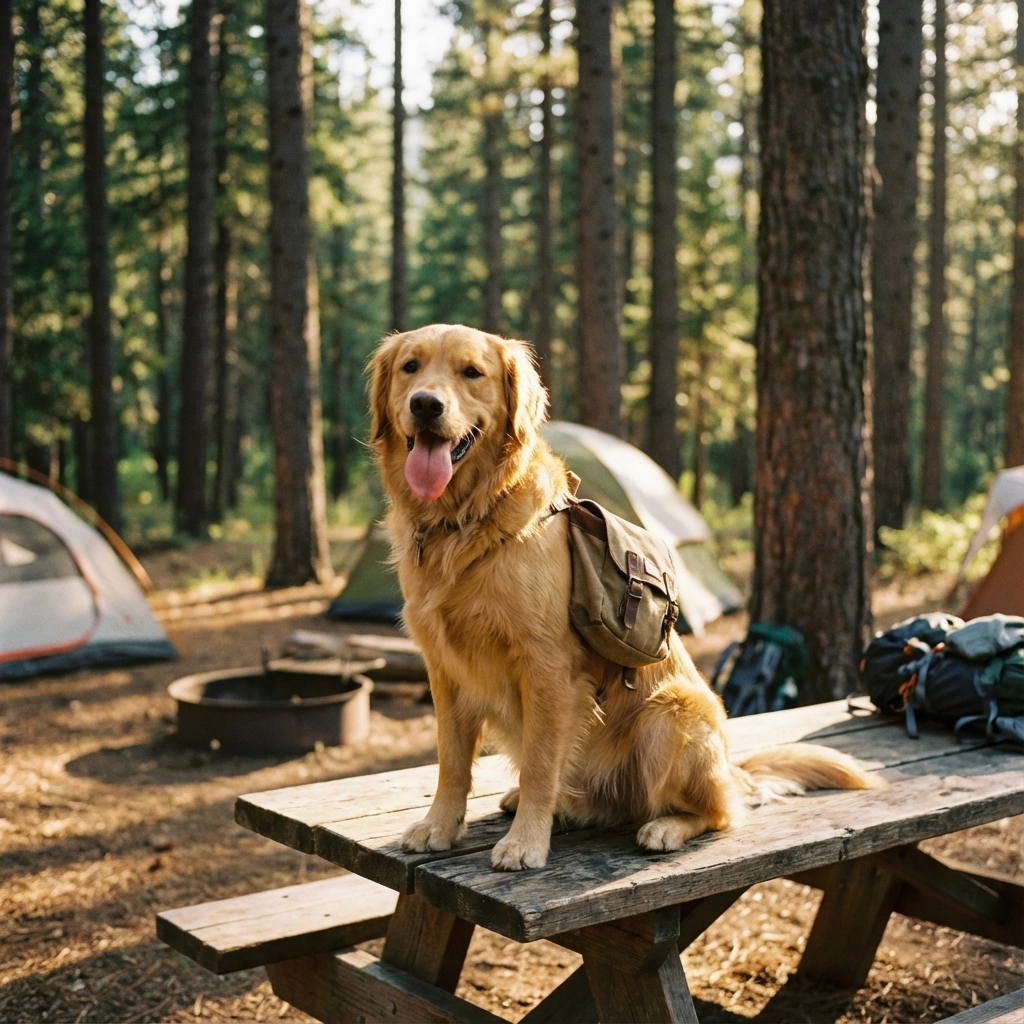
State and local parks fall somewhere in the middle, with rules varying wildly from place to place. Some are incredibly dog-friendly with designated off-leash areas, while others have strict restrictions that might cramp your style.
Private campgrounds are often your best bet for a truly stress-free experience. Many offer dog-specific amenities like pet wash stations, fenced areas, and even doggy day camps. Sure, they might cost a bit more, but the peace of mind is often worth it.
The key here is doing your homework before you fall in love with those gorgeous campsite photos. A quick call to the campground can save you from showing up to a place where your dog will spend the entire weekend on a leash in a tiny designated area.
Step 2: Master the Art of Reading Pet Policies
Now comes the detective work. Every campground's pet policy is like a fingerprint: completely unique and sometimes surprisingly detailed. You'll want to dig into the specifics because "dogs welcome" can mean anything from "sure, bring your pup" to "dogs allowed but with 47 different restrictions."
Start with leash requirements, which are pretty much universal but vary in the details. Most places stick to the standard six-foot leash rule, but some ban retractable leashes entirely (and honestly, they're not great for camping anyway). Others might have specific leash requirements for different areas: maybe loose restrictions at your campsite but strict rules near the lake or playground.
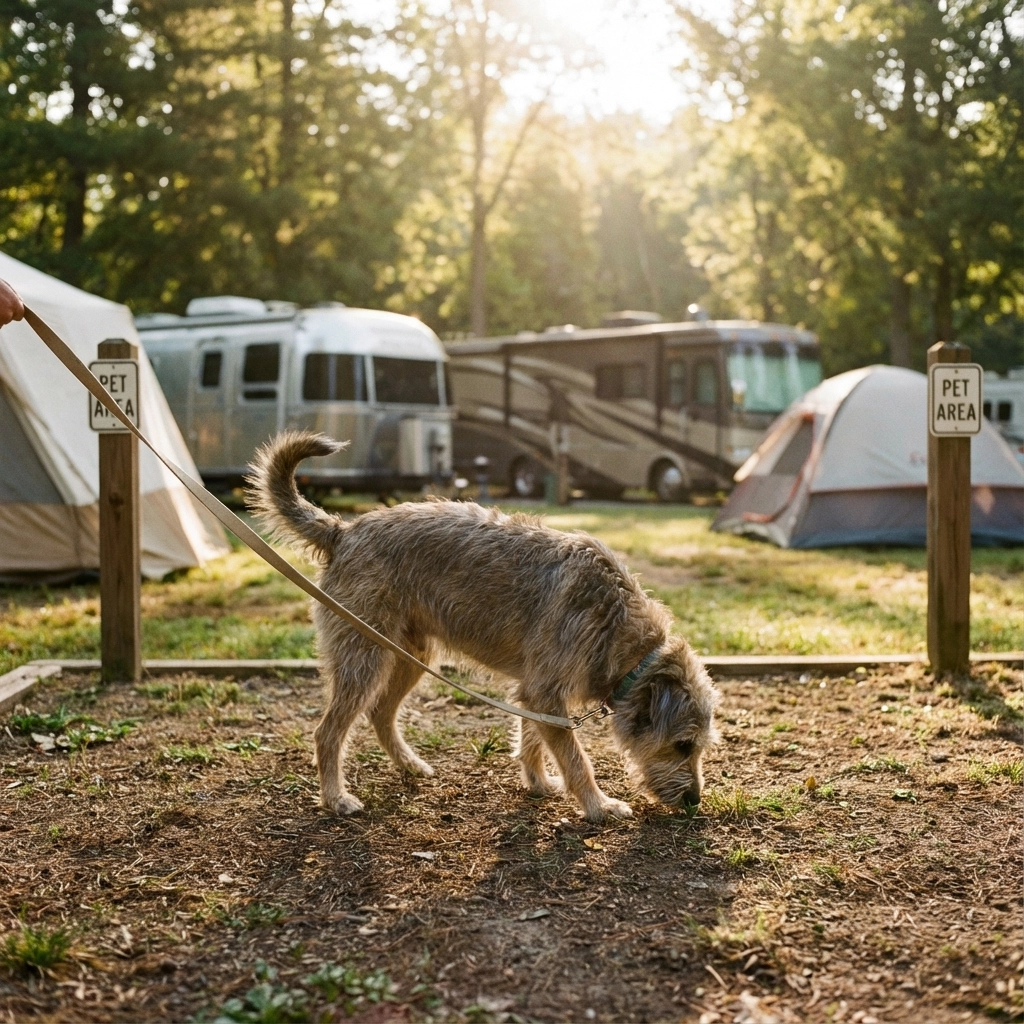
Don't forget to ask about barking policies. Some campgrounds have quiet hours where any barking could get you a warning or even kicked out. If your dog tends to be vocal about wildlife or new sounds, this is crucial information to have upfront.
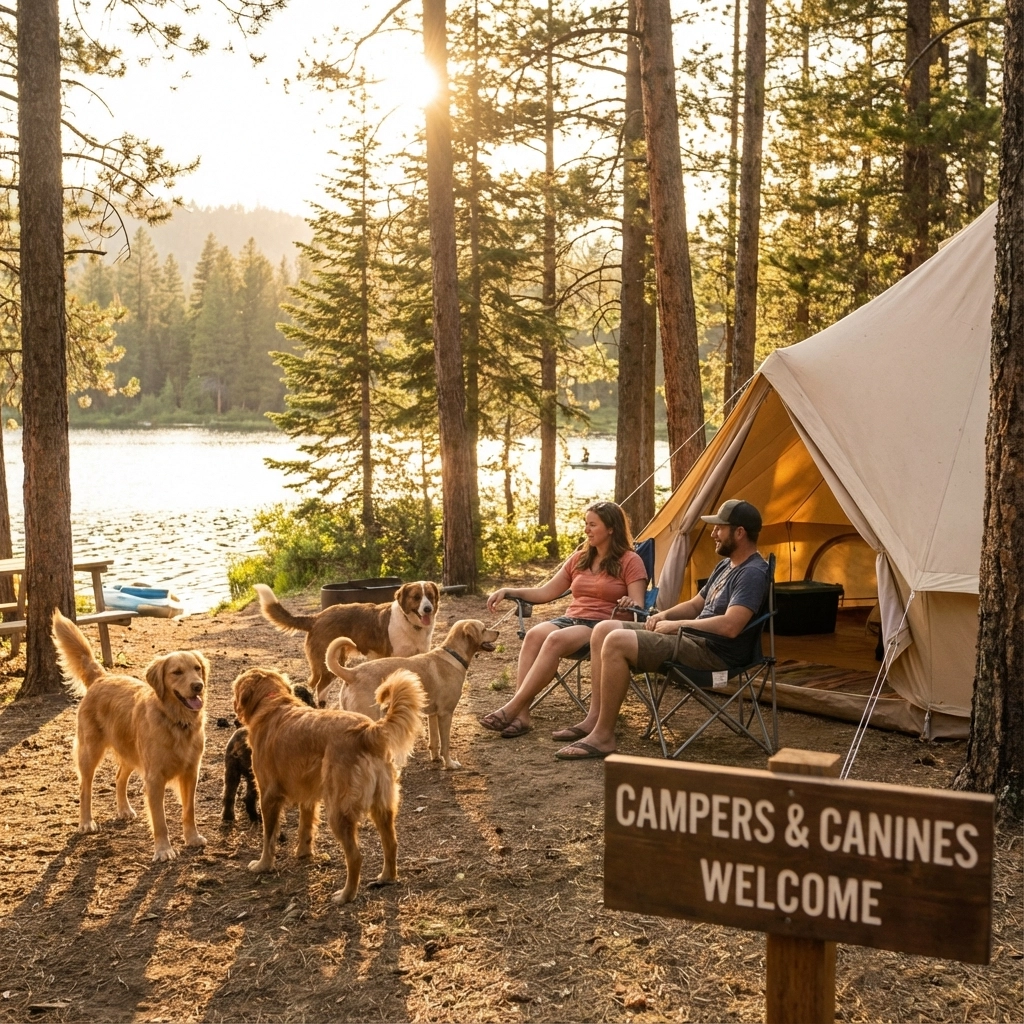
Pet limits are another gotcha. Many places limit you to two dogs per site, which can be a problem if you're traveling with multiple pups or meeting up with friends who also have dogs. And speaking of limits, some campgrounds have breed or size restrictions that aren't always clearly posted online.
Here's a pro tip: ask about off-leash areas or designated dog parks within the campground. These spots can be absolute lifesavers, especially if you're staying somewhere with otherwise strict leash policies.
Step 3: Think Like Your Dog When Choosing Your Spot
Your campsite selection can make or break your dog's camping experience, and most people don't think about this until they're already there. The goal is finding a spot that gives your pup room to decompress while keeping stress levels low for everyone involved.
Corner sites or spots that back up to woods or a road are pure gold. Instead of being surrounded by neighbors on all sides, you'll only have company on two sides, giving your dog more space to chill without constant stimulation from other campers and their pets.
Proximity to trails and open spaces is huge, especially if you're camping with a high-energy dog. Being a short walk from a hiking trail or lake means you can easily tire out your pup before settling in for the evening. Plus, having quick access to exercise areas makes those middle-of-the-night bathroom breaks much less complicated.
Consider the travel route to your campsite too. Sites that require driving through the entire campground might seem convenient, but they also mean your dog will be exposed to every other camping dog, child, and interesting smell along the way. Sometimes a slightly more remote spot means a calmer arrival and departure.
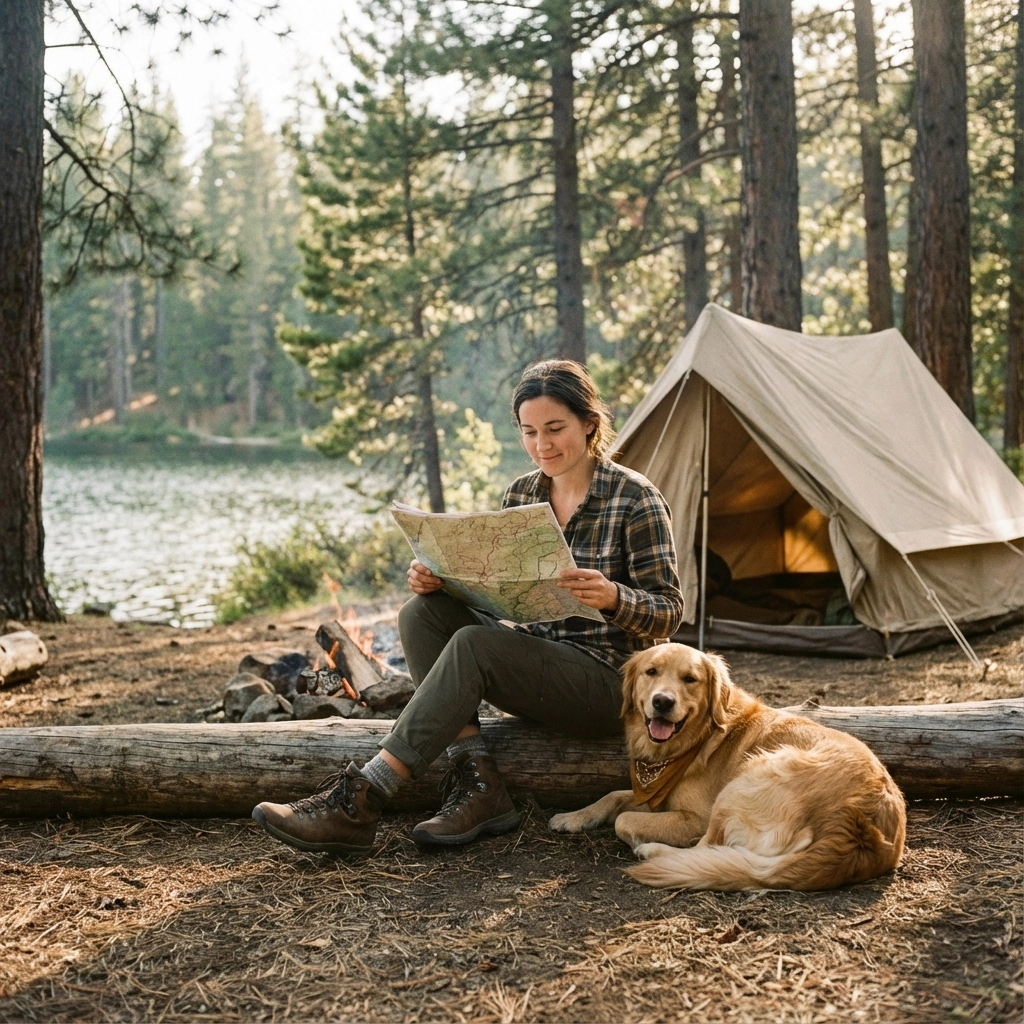
Water access is another game-changer. If your dog loves to swim, a site near a lake or river can provide hours of entertainment and help keep them cool on hot days. Just make sure to check if swimming is allowed and if the water is safe for pets.
Step 4: Ensure Your Campsite Setup Works for Your Dog
Here's where many first-time dog campers run into trouble: they choose a beautiful campsite without thinking about how their dog will actually live there for several days. The perfect Instagram shot doesn't mean much if your pup is miserable.
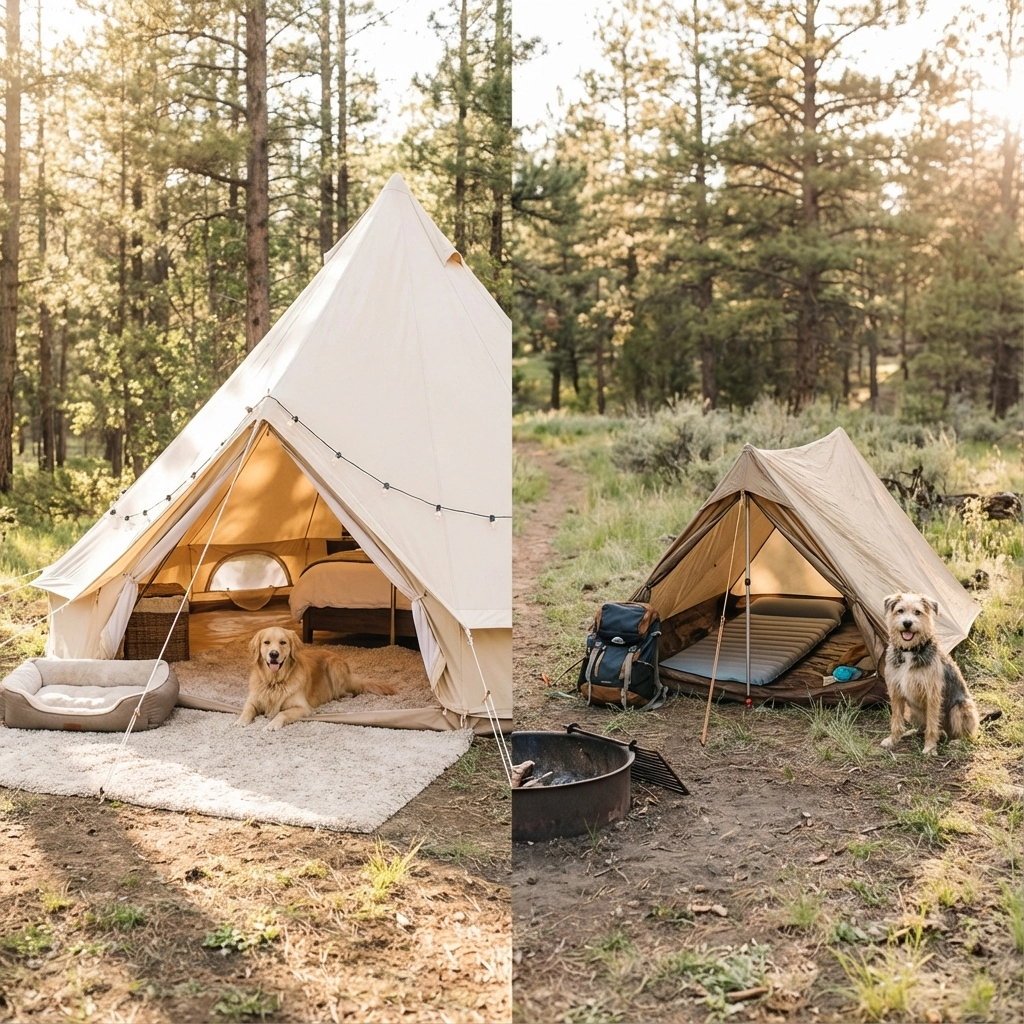
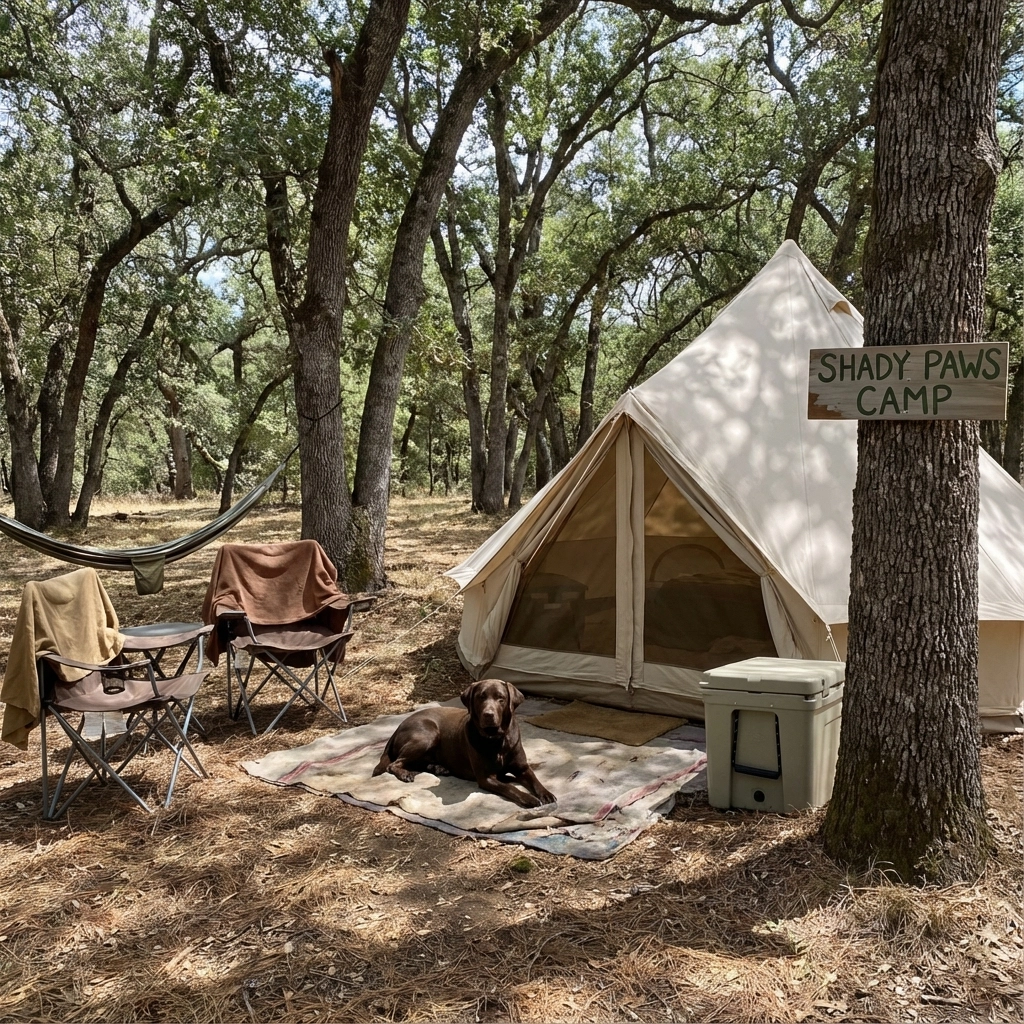
Size matters, especially when it comes to your shelter. If you're tent camping, go bigger than you think you need. A cramped tent with a bored or anxious dog is nobody's idea of a good time, particularly when bad weather keeps everyone inside. Your dog needs space to move around, lie down comfortably, and not feel trapped.
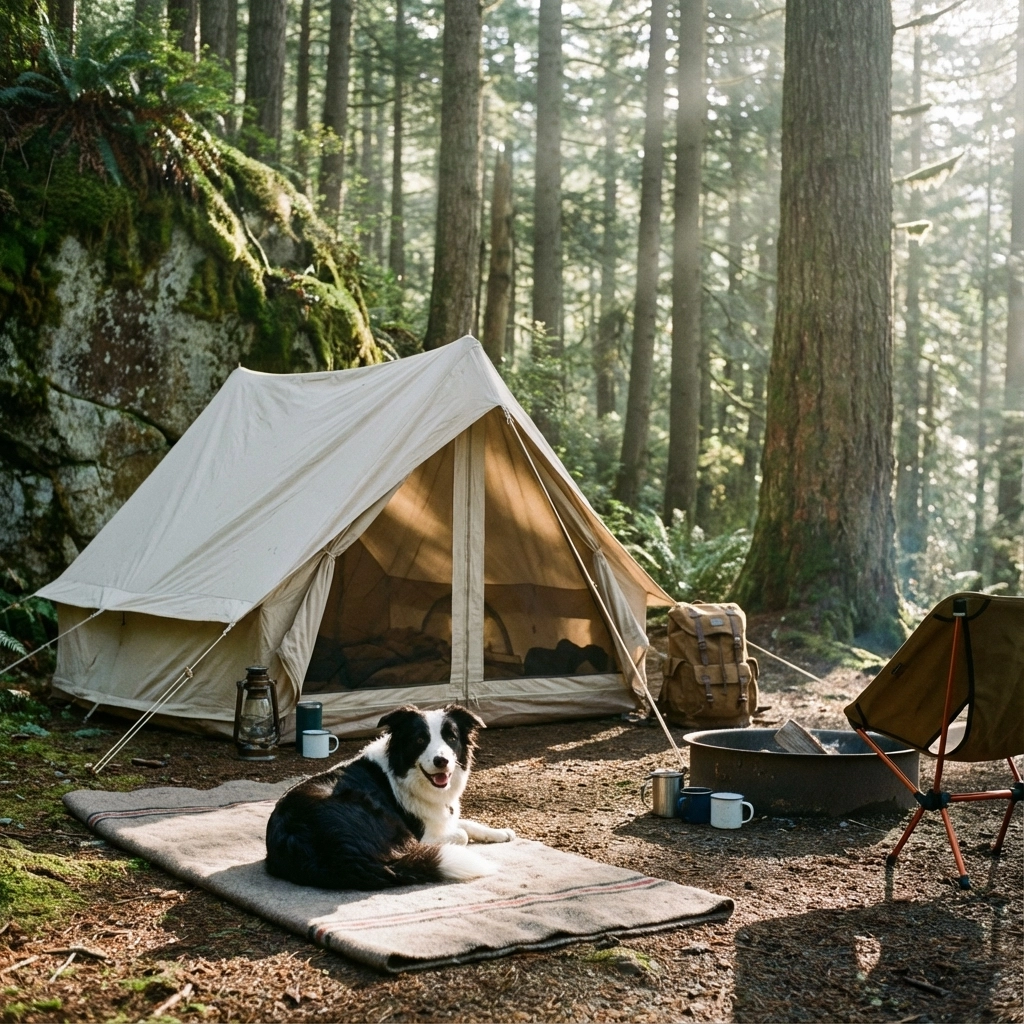
Shade is absolutely critical, and not just for your comfort. Dogs can overheat quickly, and a campsite with no natural shade means you'll be constantly managing your pup's temperature. Look for sites with mature trees or natural windbreaks that'll keep things comfortable throughout the day.
Ground conditions are something most people never consider until they're dealing with the aftermath. Rocky, thorny, or extremely uneven ground can be hard on your dog's paws and make it difficult for them to find a comfortable spot to rest. Sandy or soft dirt sites are usually easier on everyone.
Don't overlook practical amenities like waste disposal stations and easy access to fresh water. Nobody wants to hike a quarter-mile with full poop bags or carry water buckets across a massive campground multiple times a day.
Step 5: Book Smart and Prepare Like a Pro
The final step is all about timing and preparation, and this is where a little extra effort pays off big time. The most dog-friendly campsites book up fast, especially during peak seasons, so getting ahead of the game is crucial.
Popular pet-friendly spots often open reservations exactly six months in advance, and the best sites can be gone within hours. Mark your calendar and be ready to book the moment reservations open. It sounds extreme, but when you're competing with thousands of other dog owners for limited pet-friendly sites, you need every advantage.
Before you even think about packing, make sure your dog's paperwork is current. Many campgrounds require proof of vaccinations, and some even ask for recent health certificates. Having everything organized in a folder (or photos on your phone) saves time during check-in and prevents any last-minute surprises.
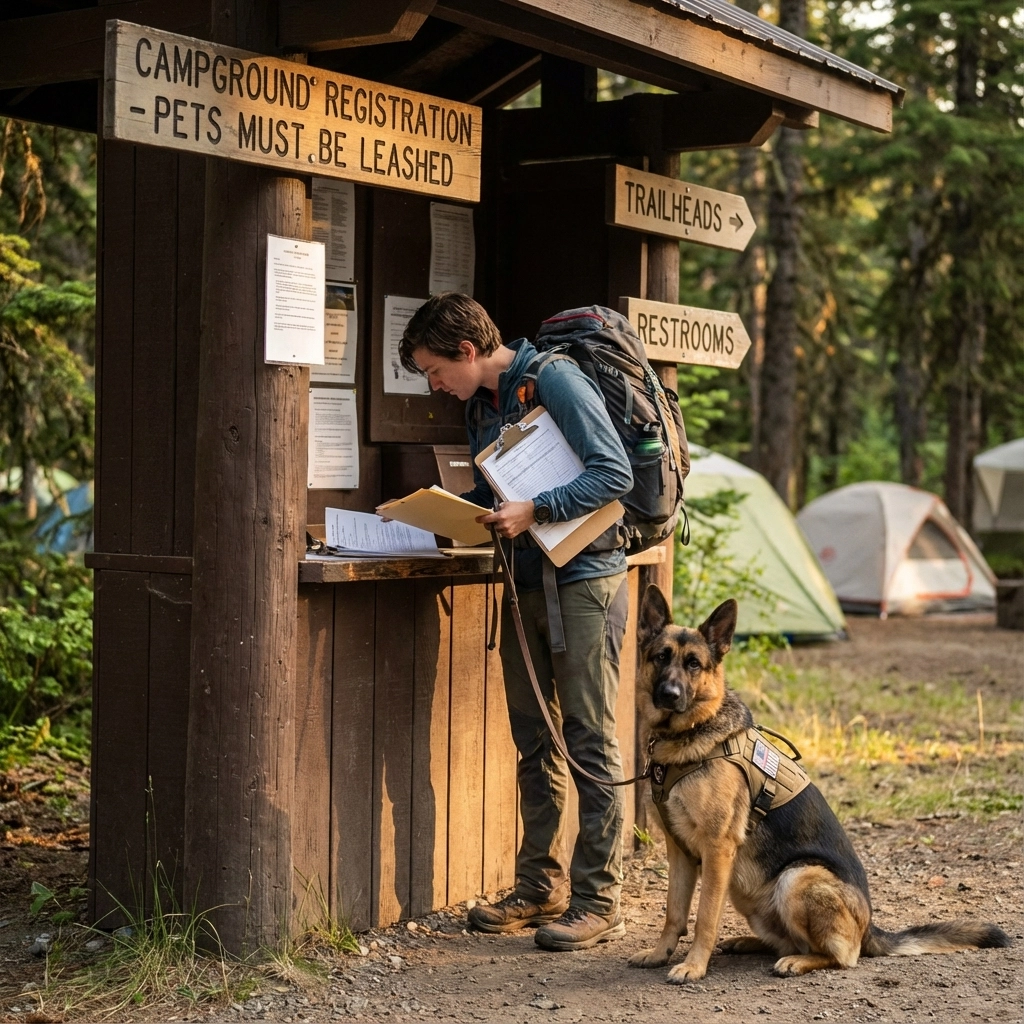
Here's something crucial that many people skip: a pre-trip vet check. Camping exposes dogs to different environments, wildlife, and potential hazards they don't encounter at home. Making sure your pup is healthy and up-to-date on preventative treatments gives you peace of mind and helps avoid emergency vet visits in unfamiliar areas.
Training preparation is just as important as gear preparation. If your dog isn't used to staying calm around other dogs, children, or new environments, camping probably isn't the time to find out. Spend some time working on basic commands and socialization before your trip.
Making It All Come Together
Choosing the right dog-friendly campsite isn't just about finding a place that allows pets: it's about finding a place where both you and your dog can truly enjoy the experience. The extra research and preparation time you put in upfront will pay dividends when you're sitting around the campfire with a tired, happy dog at your feet.
Remember, every dog is different, and what works perfectly for your neighbor's calm lab might be a disaster with your energetic rescue mix. Pay attention to your dog's personality and needs when making decisions, and don't be afraid to start with shorter, closer-to-home trips while you figure out what works best for your camping duo.
The perfect campsite is out there waiting for you and your four-legged adventure buddy: you just need to know how to find it. Happy camping, and may all your nights be filled with peaceful pups and zero midnight escapes!