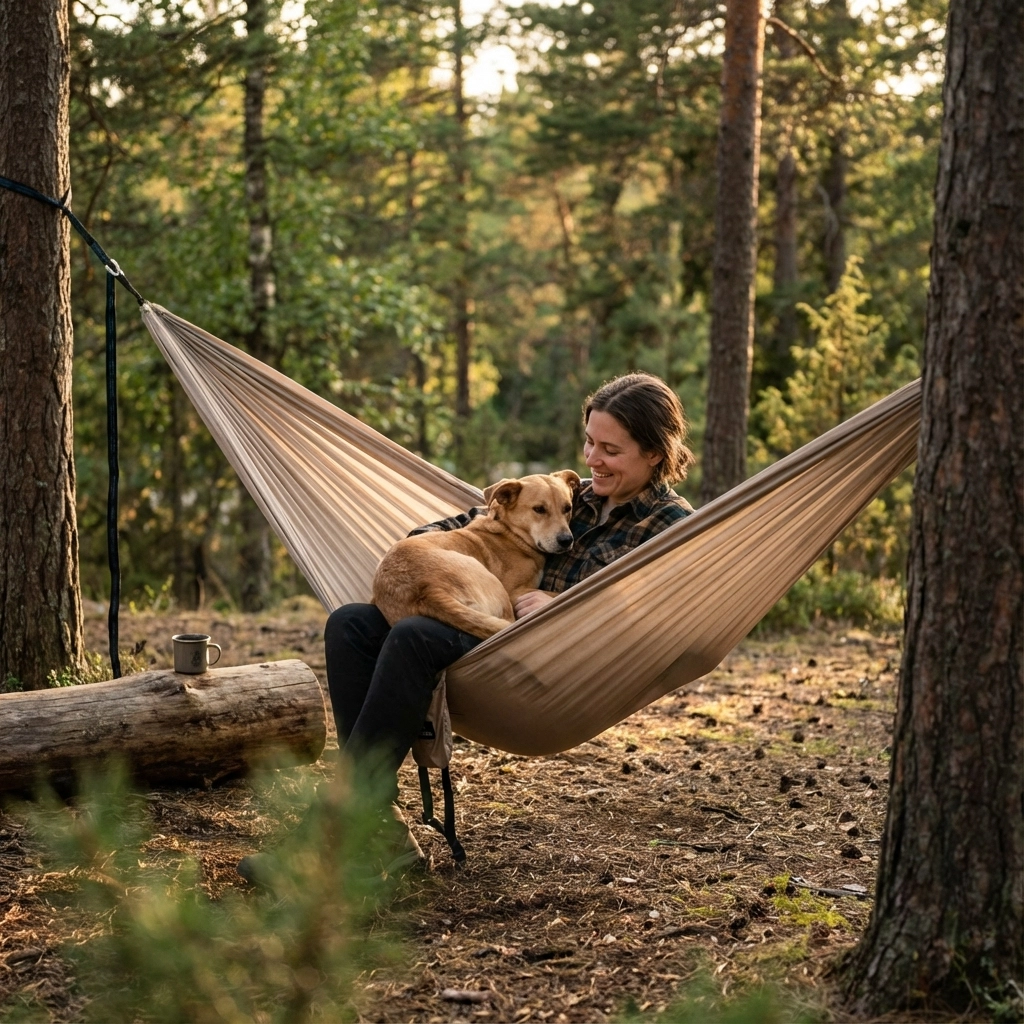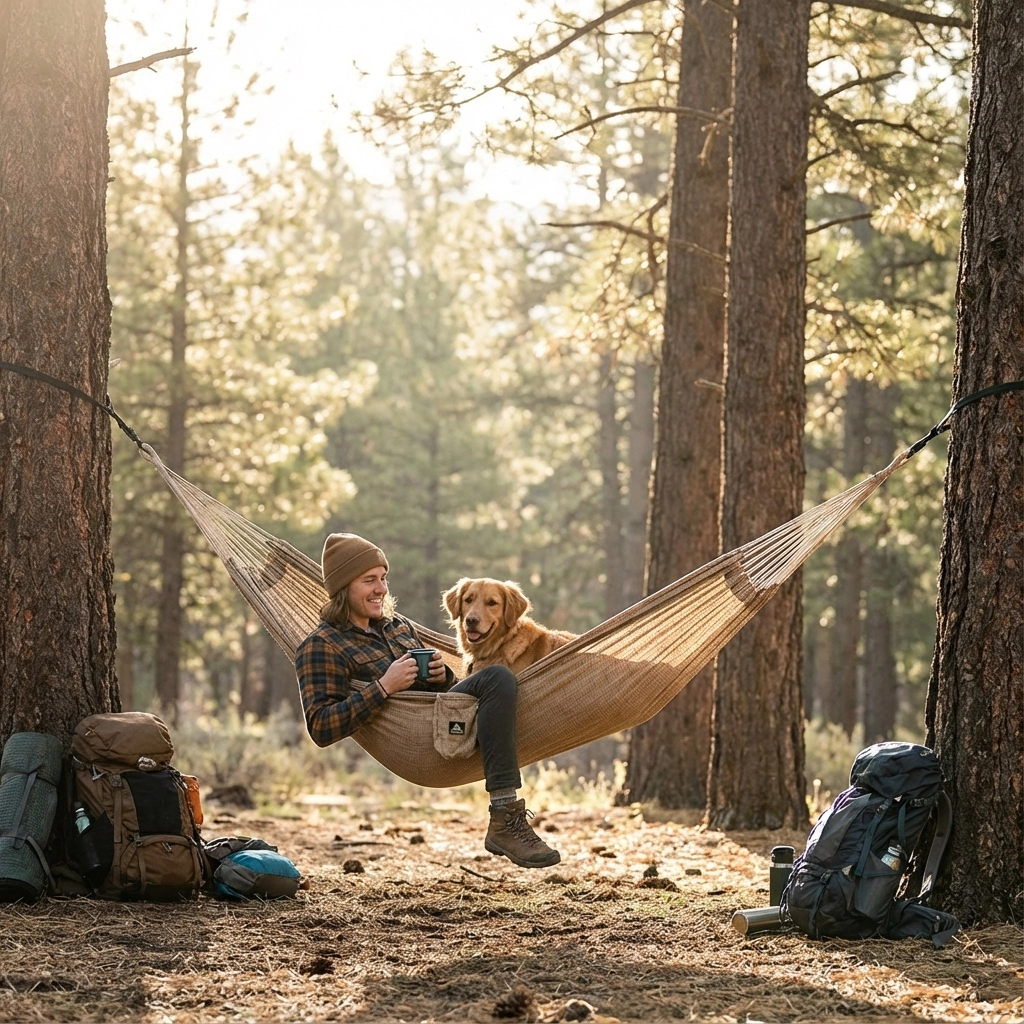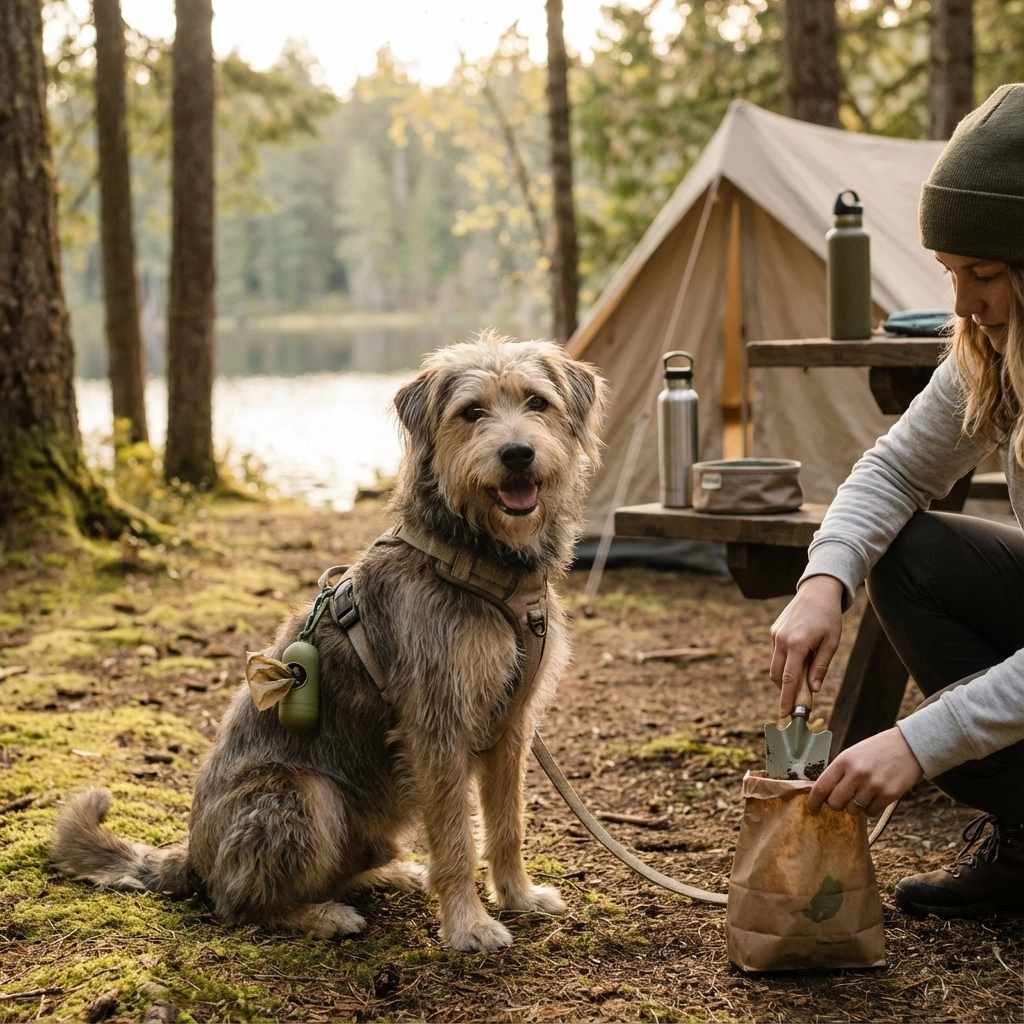
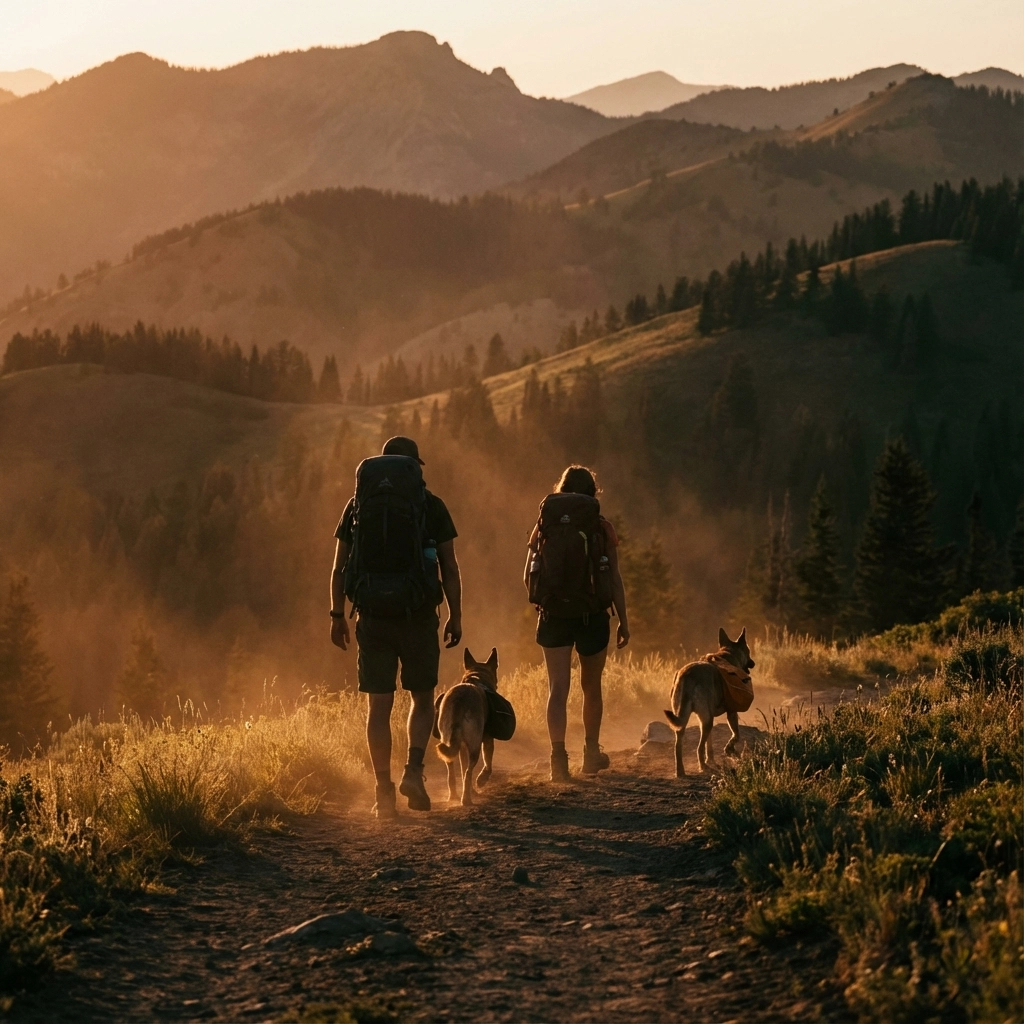
Last weekend, my hiking buddy and I decided to put dog backpacks to the ultimate test. Armed with three different packs and our adventure-loving dogs, we headed to the Appalachian Trail for a two-day backpacking adventure.
What started as a simple gear test turned into an eye-opening experience that completely changed how I think about dog backpacks. Here’s what we discovered when we actually put these packs through their paces on real trails.
The Great Backpack Showdown
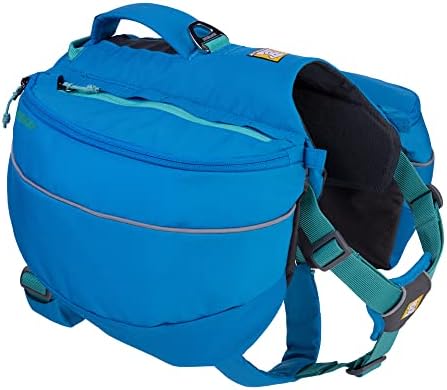
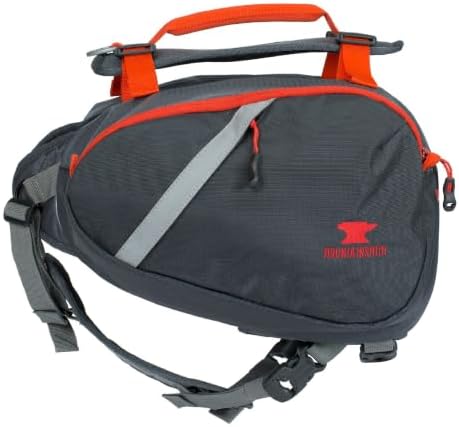
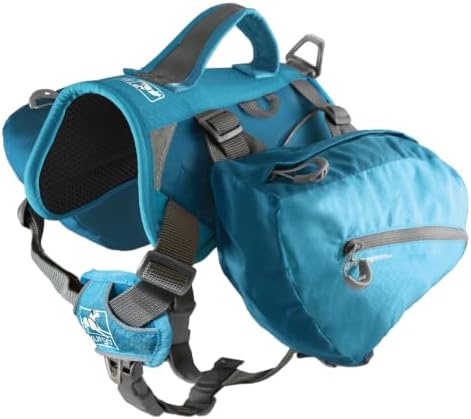
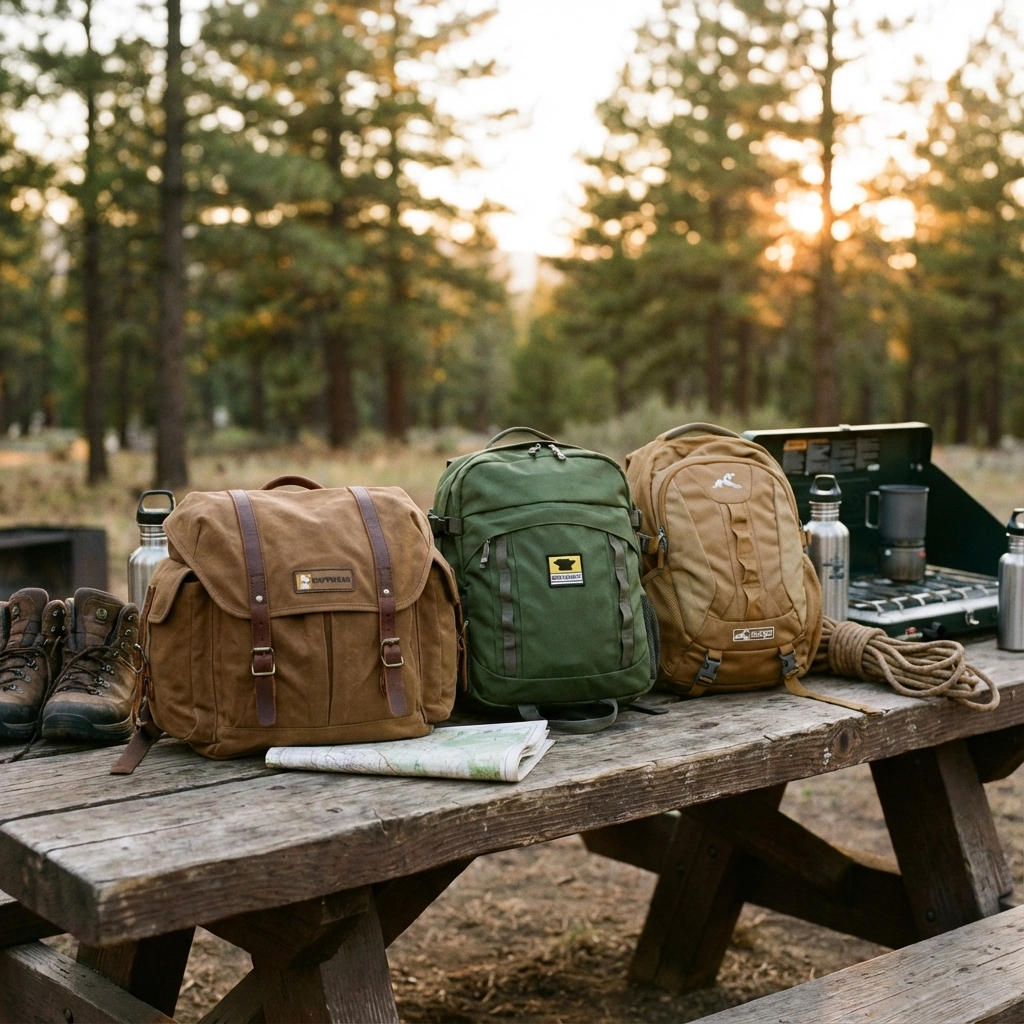
We brought along three popular options: the Ruffwear Approach ($100), the Kurgo Baxter ($60), and the Mountainsmith K-9 Pack ($80). Each promised to be the perfect solution for getting our dogs to carry their own gear, but we quickly learned that not all backpacks are created equal.
Day One: The Ruffwear Approach Takes the Lead
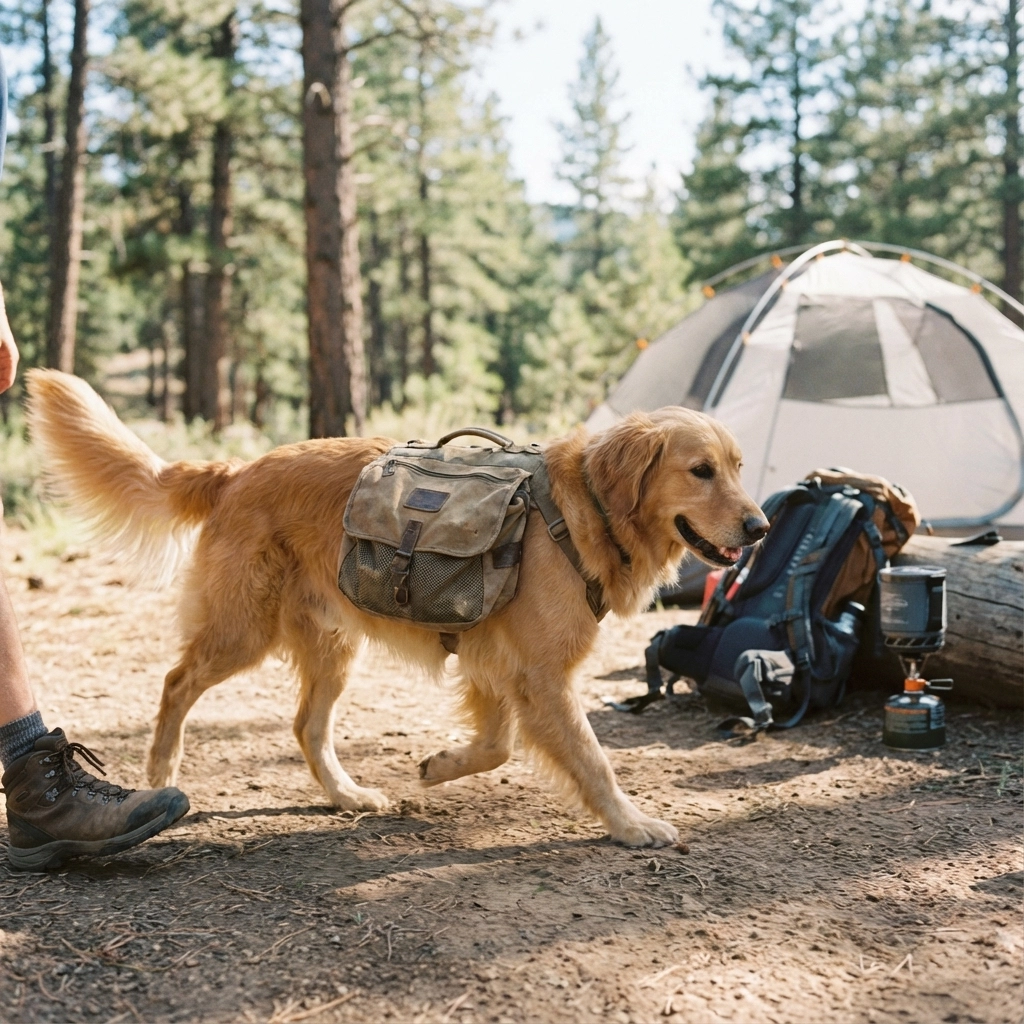
Right out of the gate, Max looked like a natural in the Ruffwear Approach. The pack’s 21-liter capacity easily held his food, collapsible bowls, and even a lightweight sleeping pad. What impressed me most was how the weight distributed evenly across his back: no shifting, no bouncing, just smooth hiking.
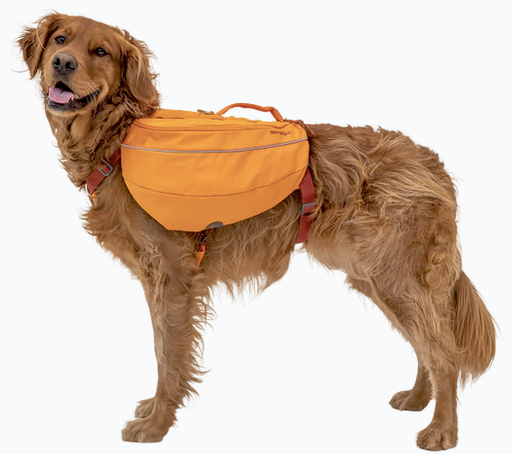
The adjustable straps were a game-changer. Max has a broad chest and thick neck, which usually makes harness fitting a nightmare. But the Approach’s multiple adjustment points meant we could customize the fit perfectly. After five miles, he was still trotting happily ahead of us with his tail wagging.
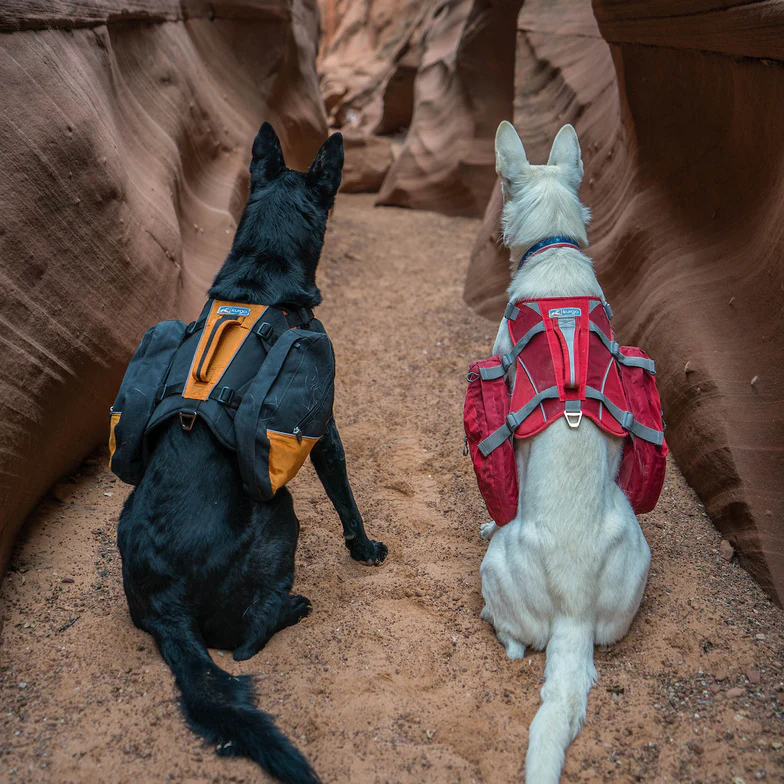
Sarah strapped the Kurgo Baxter on Luna, and while it looked great initially, we noticed some issues by mile three. The pack started shifting slightly to one side, causing Luna to adjust her gait. The good news? The Baxter’s adjustable saddlebags were genius: we could move them higher on Luna’s smaller frame to prevent them from swinging into her legs.
The Trail Reality Check
Here’s something no product description mentions: your dog’s excitement level affects everything. Max was so thrilled to be “working” that he kept trying to forge ahead faster than usual. The Ruffwear’s leash attachment point stayed centered, maintaining his balance even when he got enthusiastic about squirrel spotting.
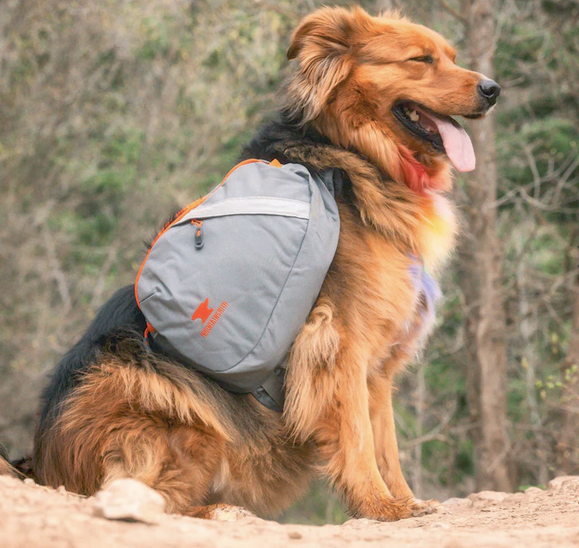
The Mountainsmith K-9 Pack, which we’d brought as backup, revealed its biggest flaw during our first water break. The forward-positioned leash attachment caused the entire pack to shift backward every time Max pulled even slightly. We had to use a longer leash to compensate, which made trail navigation trickier.
What Actually Matters on the Trail
After hiking 12 miles over two days, here’s what we learned really matters:
Fit is everything. A poorly fitting pack doesn’t just look bad: it can cause chafing, hot spots, and actually make your dog work harder. Max’s Ruffwear Approach never budged from its original position, while Luna’s Kurgo required two readjustments.
Weight distribution beats weight capacity. Both dogs carried about 15% of their body weight (the recommended maximum), but the way that weight sat made all the difference. The Approach’s wider base spread the load beautifully, while narrower packs created pressure points.
One-handed operation is crucial. When you’re managing your own gear plus keeping an eye on trail conditions, fumbling with complicated zippers or straps becomes frustrating fast. The Kurgo’s simple zipper pulls were perfect for quick snack access.
The Specialized Players Worth Considering
During our research phase, we discovered some interesting options for specific needs. The Ruffwear Hitch Hiker caught our attention for smaller dogs: it features multiple adjustment points along the spine, perfect for dogs with unique builds like dachshunds or corgis.
For style-conscious hikers, the Wolf Republic Ranger Pack combines canvas and leather construction with practical design. Each saddlebag has two zippered pockets with magnetic button covers, designed for one-handed operation while staying secure on rough terrain.
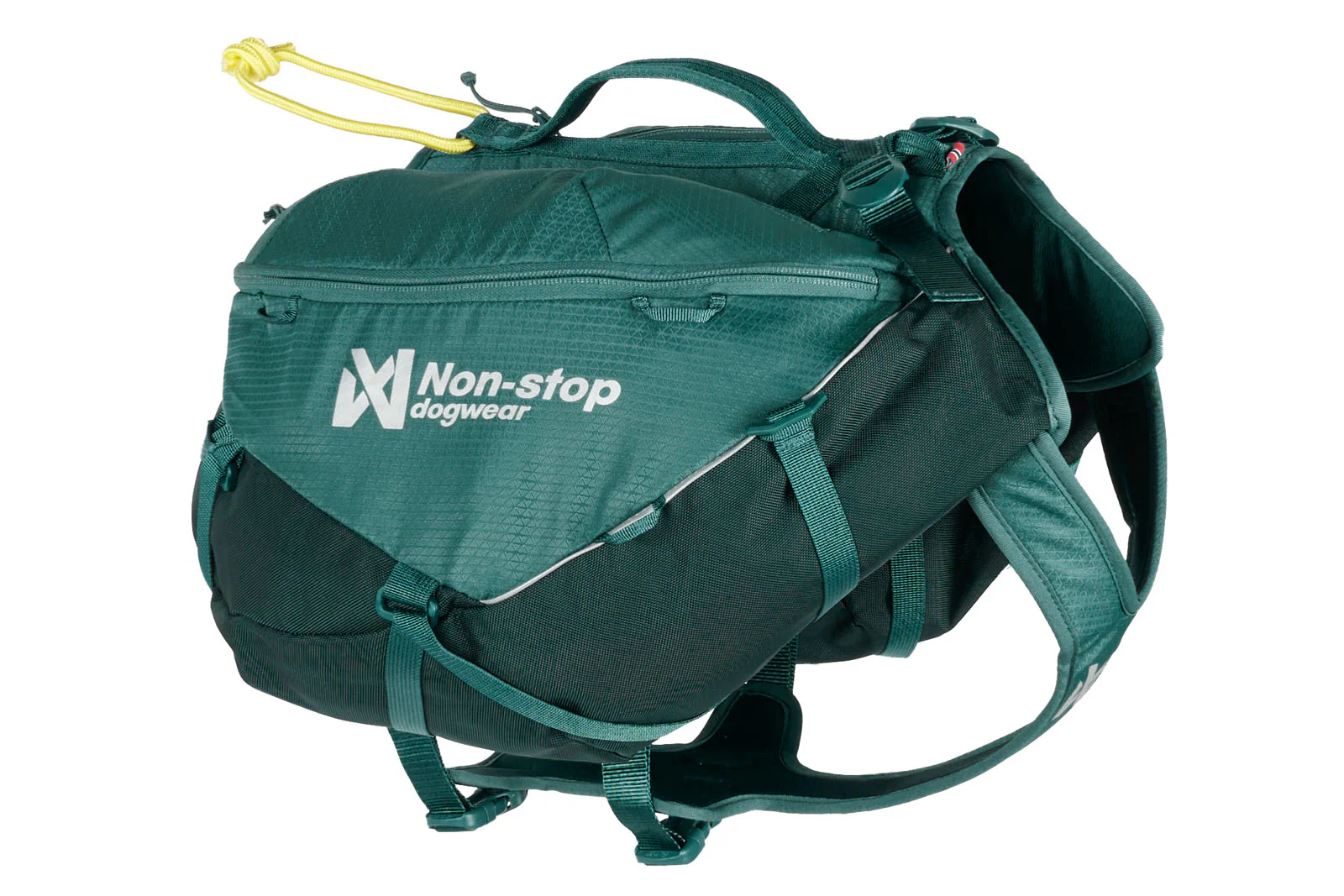
The Non-stop Dogwear Trail Quest earned rave reviews from other testers for its padded Y-shaped harness design. This pack focuses on distributing pulling force effectively, which could be game-changing for dogs who like to lead the way.
Real-World Performance Breakdown
The Winner: Ruffwear Approach
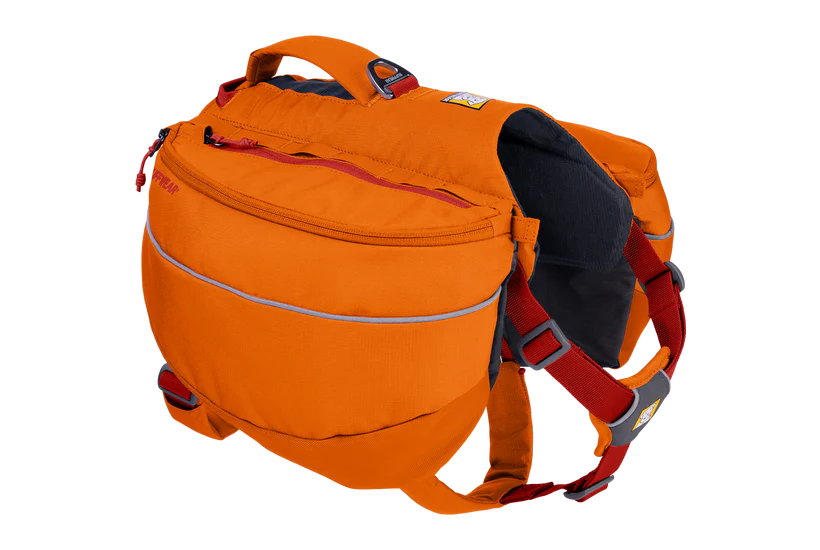
- Best for: Multi-day trips, dogs 40+ pounds
- Pros: Superior fit across different body types, excellent weight distribution, durable construction
- Cons: Higher price point, less ventilation in hot weather
- Bottom line: Worth the investment for serious hiking dogs
The Value Pick: Kurgo Baxter
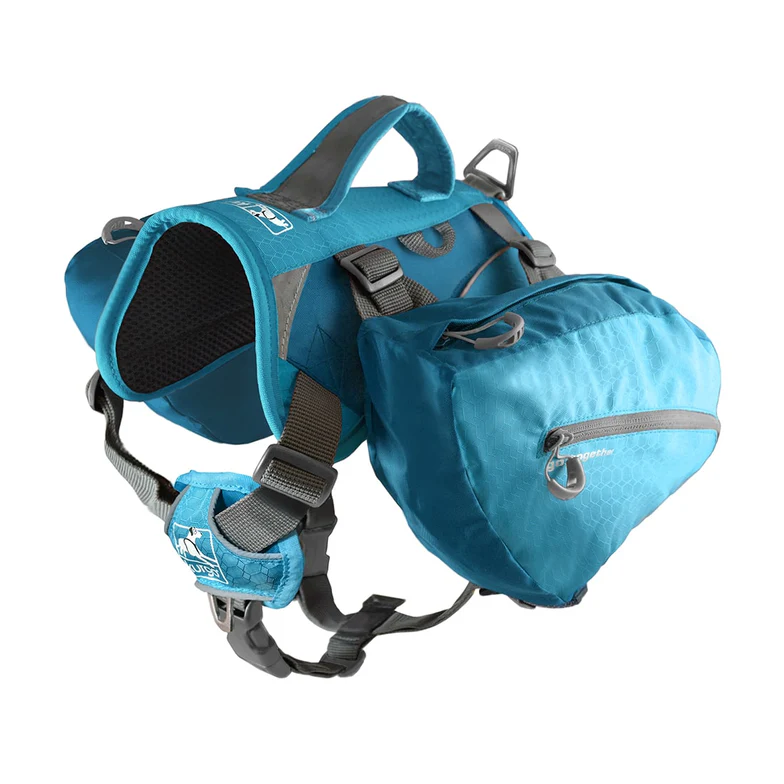
- Best for: Weekend warriors, budget-conscious hikers
- Pros: Accommodates dogs up to 110 pounds, adjustable saddlebag positioning, great features for the price
- Cons: Requires more fit adjustments, not quite as refined as premium options
- Bottom line: Solid choice that delivers good performance without breaking the bank
The Specialist: Mountainsmith K-9 Pack
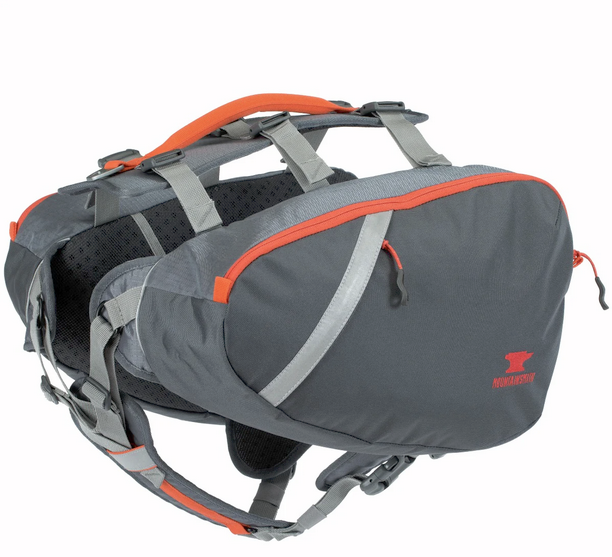
- Best for: Day hikes in warm weather, highly adjustable needs
- Pros: Excellent ventilation, multiple adjustment points, good value
- Cons: Forward leash attachment causes shifting, requires longer leash
- Bottom line: Great for specific situations but not our go-to recommendation
Lessons Learned the Hard Way
Start with short distances. Even Max, who’s in excellent shape, needed time to adjust to carrying weight. We started with 5-pound loads during training hikes and gradually increased to his full 8-pound camping load.
Pack smart, not heavy. Your dog’s food and water should make up the bulk of their load: these items get lighter as the day progresses. We learned to avoid dense items like canned food or heavy camp chairs.
Check fit regularly. Dogs heat up differently than humans, which can affect how straps sit. We made it a habit to check Max and Luna’s packs during every rest stop, especially in the first few miles.
The Bottom Line for Real Adventures
After two days of real-world testing, here’s our honest recommendation: if you’re serious about having your dog carry their own gear, invest in the Ruffwear Approach. The superior fit and comfort mean your dog will actually enjoy wearing it, which makes the whole experience better for everyone.
If budget is a concern, the Kurgo Baxter delivers solid performance for weekend adventures. Just be prepared to spend extra time on fitting and adjustments.
For specialized needs: small dogs, hot weather hiking, or unique body types: research the specialized options we mentioned. The right pack for your specific situation exists; it just might not be the most popular choice.
Getting Started Right
Don’t make the mistake we almost made by loading up your dog’s pack for the first time on a big adventure. Start with empty packs around the house, then add weight gradually during regular walks. Your dog needs time to adjust their stride and build the muscle strength for carrying gear.
Most importantly, watch your dog’s body language. Max clearly loved having a “job” to do, but Luna needed more encouragement and frequent breaks. Every dog is different, and the best backpack is the one your specific pup will actually want to wear.
Ready to get your dog geared up for their next adventure? Check out our complete gear recommendations for more tested advice on making your camping trips unforgettable for both you and your four-legged hiking partner.