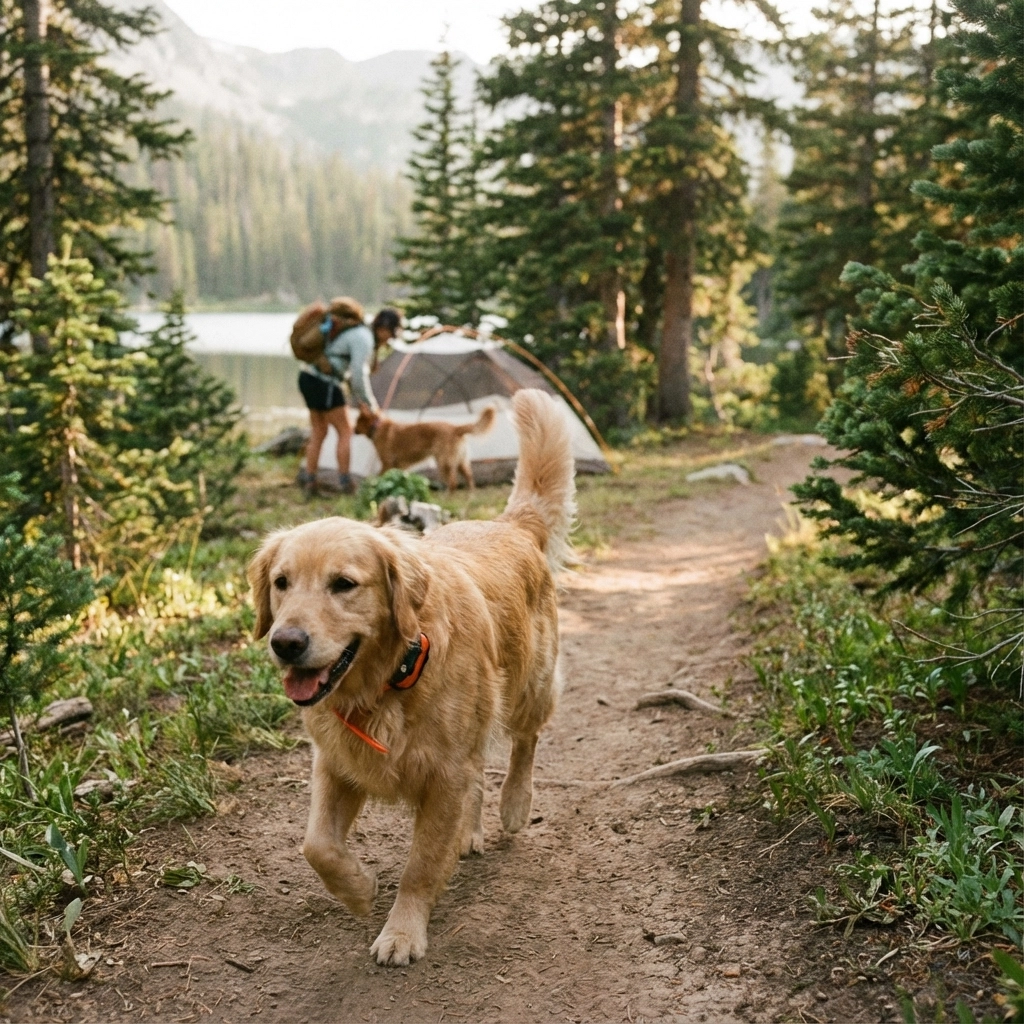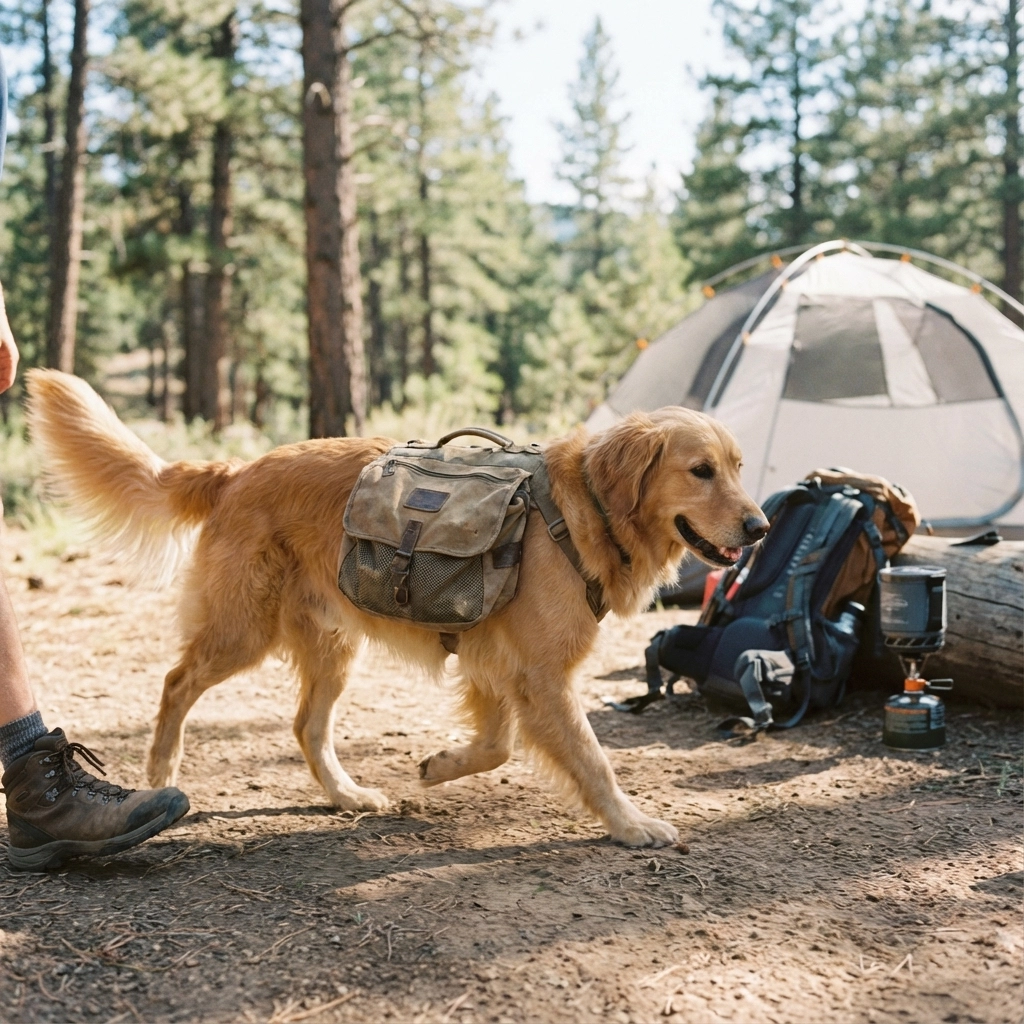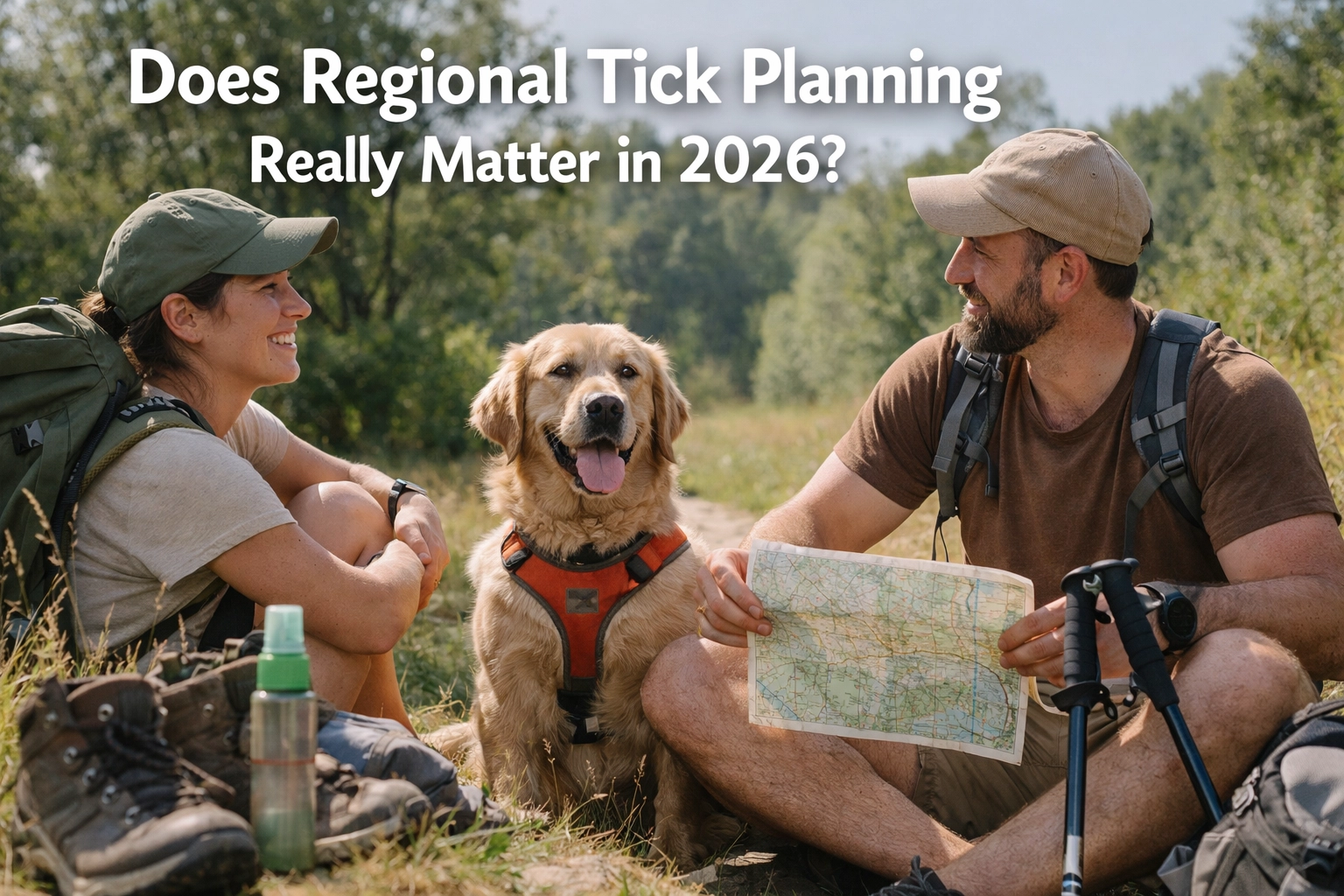
You probably remember the days when a tick check was just something you did after a particularly long hike in the deep woods during the height of July. Back then, there was a clear beginning and end to the season, and you could almost set your calendar by when it was safe to let your dog roam the tall grass without a second thought. But as we settle into the spring of 2026, those old rules have largely evaporated into the humid morning air. If you’ve stepped outside lately and felt that the woods look a little different or the seasons feel a bit blurred, you’re not alone. The reality of adventuring with our dogs has shifted, and the question of whether regional planning actually matters has moved from a “maybe” to an absolute “must.”
I was chatting with a fellow hiker the other day while we were both unbuckling our pups’ gear at a trailhead in Connecticut, and they mentioned how they’d already pulled three ticks off their golden retriever in early March. In places like Fairfield County, we’re seeing tick populations surge by nearly twenty-five percent compared to just last year. It’s a staggering jump that catches even the most seasoned outdoorsy folks off guard. The reason isn’t just one factor; it’s a perfect storm of environmental shifts that have turned regional planning into a high-stakes game of keeping our furry best friends safe while we enjoy the great outdoors.

The shift began with our winters. In years past, a deep, sustained freeze acted as a natural reset button for the ecosystem, thinning out the tick populations that hadn’t found a deep enough place to hide. But in 2026, those long freezes are becoming rarer. Instead, we’re seeing early snowfalls that, while beautiful, actually act as a cozy thermal blanket for the leaves on the forest floor. Beneath that white powder, the ground stays just warm enough for ticks to survive comfortably. When you combine that with the high spring humidity we’ve been experiencing, you create a literal breeding ground for the blacklegged ticks that cause us so much worry. It’s not just about the heat anymore; it’s about the moisture and the lack of a “kill floor” in the temperature.
Because of this, the old “one-size-fits-all” advice for dog owners is officially retired. You can’t just buy a standard preventative and assume you’re covered for a cross-country road trip. The risks in the coastal regions are vastly different from what you’ll find in the inland woods or the high-altitude trails of the West. For instance, the Ixodes scapularis tick is famously active as soon as the thermometer hits four degrees Celsius. That’s barely forty degrees Fahrenheit. If you’re waiting for “summer weather” to start your prevention routine, you’re already months behind the curve. This unpredictability is why we’ve started leaning so heavily into regional monitoring.

When you’re looking at your next trip on the map, you have to think about the micro-environments your dog will be exploring. It’s not just “the woods” anymore. Ticks have specific preferences for where they hang out, and those preferences change based on the local landscape. In the Northeast, you’re looking for stone walls and deer corridors. These are the highways of the tick world. Mice, which are the primary carriers for the larvae, love the nooks and crannies of old stone walls, while deer bring the adults right to the edges of your favorite campsites. If you’re planning a trip to a new area, taking five minutes to look up the local wildlife host density can tell you more about your risk than a general weather report ever could.
This is also where knowing your dog’s specific vulnerabilities comes into play. If you’re heading into a high-risk area, ensuring your pup is physically and mentally prepared is the first step in a successful outing. You might want to double-check if is your dog ready for camping by looking at how they handle different terrains and environments before you dive into the deep woods. A dog that is stressed or overtired is often a dog that isn’t being watched as closely for those subtle “hitchhikers” that hop on during a water break or a rest in the leaves.
The science of 2026 has brought us some incredible tools, but it has also revealed some frustrating gaps. A recent survey of public land managers across the Midwest and Northeast showed that only about ten percent of managed public lands are actually undergoing any kind of active tick control. Most managers are sticking to landscape management: essentially just keeping the grass short near the parking lots. This means that once you step ten feet off the gravel path, you’re in a completely unmanaged wilderness. The responsibility for prevention has shifted almost entirely onto the individual dog owner. It’s no longer something the park system “takes care of” for us.

Using technology has become a big part of how we navigate these regional risks. Many of us are now using tools like the best dog GPS collars for camping not just to keep from getting lost, but to track where our dogs are spending the most time. If your dog spent twenty minutes sniffing around a pile of downed logs or a dense thicket of ferns, you know exactly where to focus your attention during the evening tick check. It’s about being surgical with our prevention. Instead of just brushing the whole dog, we’re looking at the high-traffic areas where they likely brushed against the undergrowth.
Another factor we have to consider in 2026 is the expansion of tick ranges. Species that used to stay firmly in the South are moving North and West as climate patterns shift. This “range creep” is why regional planning can’t be static. What worked for your favorite campsite three years ago might be totally inadequate today. You might be dealing with new species that carry different pathogens, requiring different types of preventative treatments. It’s a lot to keep track of, but it’s the price of admission for getting to share these beautiful spaces with our pups.
When you’re out there, it’s also helpful to keep an eye on how your dog is reacting to the environment in general. Sometimes, a dog that’s picking up a lot of pests or dealing with a changing environment will show signs of discomfort or anxiety. Learning how to spot dog stress signs while camping can help you realize when it’s time to move to a clearer area or perhaps cut the day short to do a thorough cleaning. A happy dog is usually a dog that feels safe in its surroundings, and your vigilance is a big part of that safety net.
So, does regional planning really matter? Absolutely. But it doesn’t have to be a source of stress that ruins your trip. Think of it as just another part of your gear list: like packing the right amount of water or checking the trail difficulty. It’s a way of respecting the land and the creatures that live there, even the ones we’d rather not meet. By understanding the local weather patterns, the specific landscape features of your destination, and the current activity levels of the local tick populations, you’re setting yourself up for a much more relaxed experience.

As we move further into this year, we’ll likely see even more changes in how we manage these tiny explorers. The conversation is shifting toward more adaptive, flexible measures that change as fast as the weather does. We’re moving away from the “apply and forget” mindset and toward a “monitor and adapt” strategy. It keeps us more connected to the environments we love and more in tune with our dogs’ needs. After all, the whole point of “ruffing it” is to enjoy the wildness of nature, and a little bit of smart planning ensures that the only things we bring home from our adventures are great photos and tired, happy pups.
If you’ve noticed any strange shifts in your local trails this season, or if you’ve found a regional trick that works wonders for your area, I’d love to hear about it! We’re all learning how to navigate this new landscape together, and sharing those “on the ground” stories is the best way to keep the whole community safe. Whether you’re hiking the humid hills of the East or the dry trails of the West, stay curious, stay vigilant, and keep those tails wagging. Happy trails and safe scouting to you and your pack!