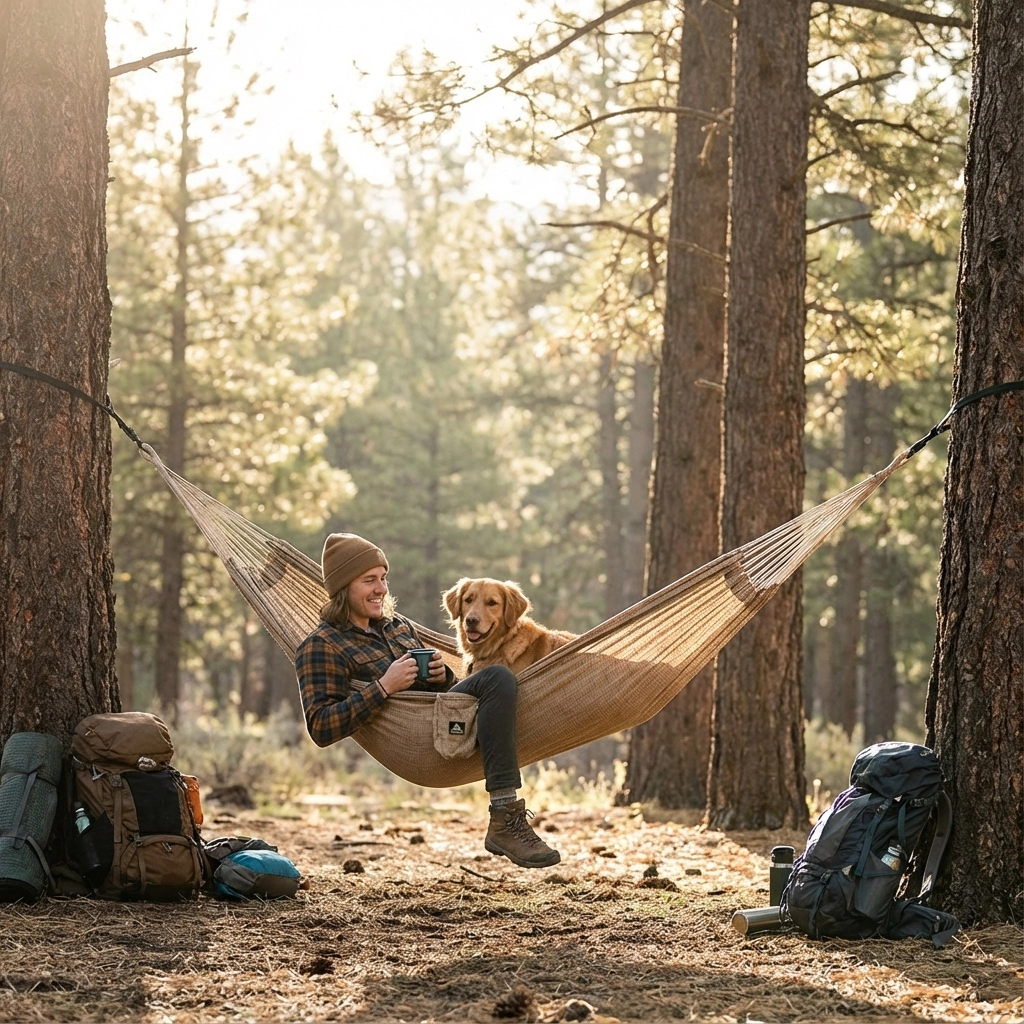
Picture this: you're swaying gently in your hammock under a canopy of stars, and your furry best friend is right there with you, either snuggled up beside you or sleeping peacefully on the ground below. Sounds like the perfect camping scenario, right? Well, it absolutely can be, but hammock camping with your dog isn't something you just wing on your first night out.
I learned this the hard way last summer when I thought I could just show up at the campsite with my golden retriever Max and figure it out as we went. Spoiler alert: Max spent most of the night pacing around my hammock like he was on guard duty, and I barely got any sleep. But after some trial and error (and a lot of research), we've mastered the art of hammock camping together.
Here's everything I wish I'd known from the start, broken down into five simple steps that'll have you and your pup sleeping under the stars in no time.
Step 1: Start the Training at Home (Yes, Really!)
Before you even think about heading to the woods, you need to introduce your dog to the hammock in the comfort of your own backyard or living room. Trust me on this one: the middle of the wilderness is not the time for your dog to decide they're afraid of your swaying sleep setup.
Set up your hammock low to the ground, maybe just a foot or two off the deck or grass. This makes it way less intimidating for your dog and gives them confidence to hop in and out easily. Leave it up for several days so your pup can investigate it on their own terms. Dogs are naturally curious, but they also like to approach new things gradually.
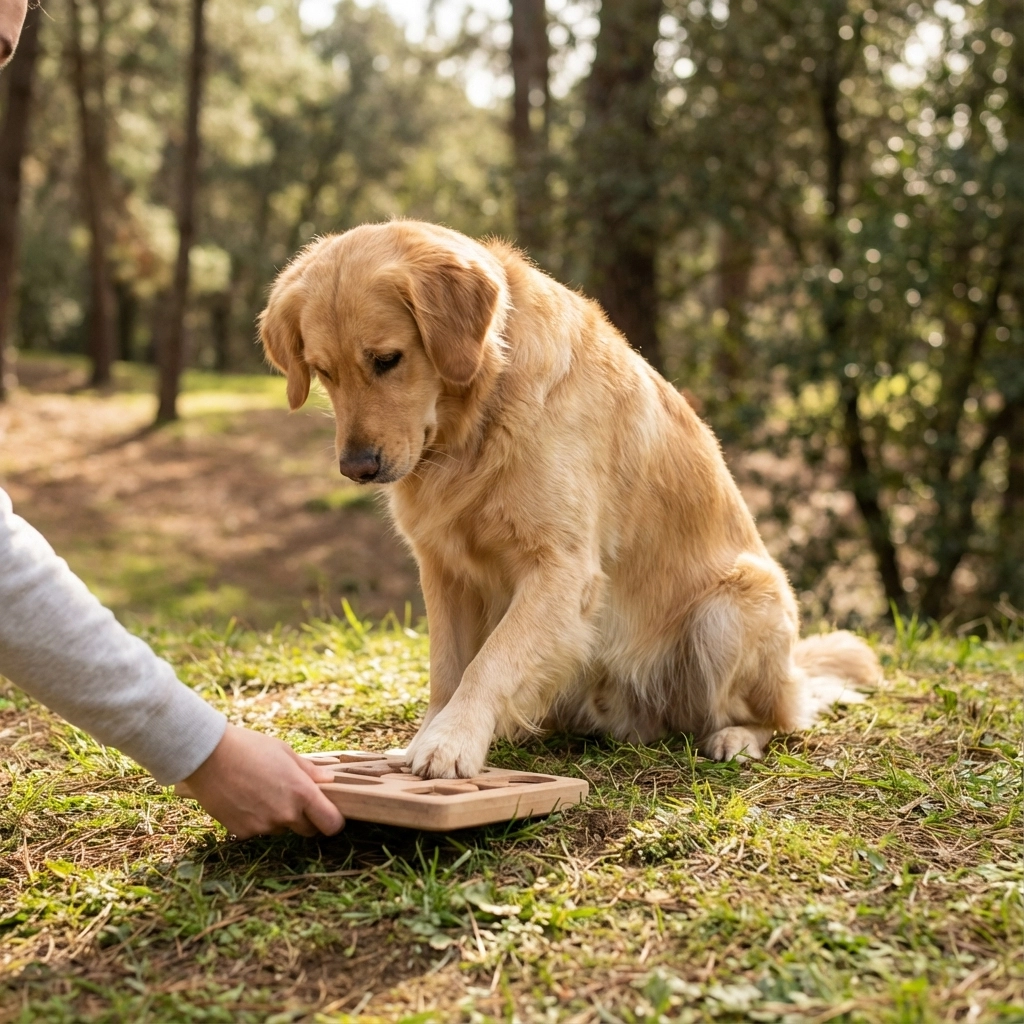
Here's what worked with Max: I'd sit in the hammock with treats and just hang out, letting him sniff around and get comfortable. Every time he showed interest or came close, I'd toss him a treat and give him lots of praise. After a few days, he was jumping right up to join me. Some dogs take to it immediately, while others need more time: don't rush the process.
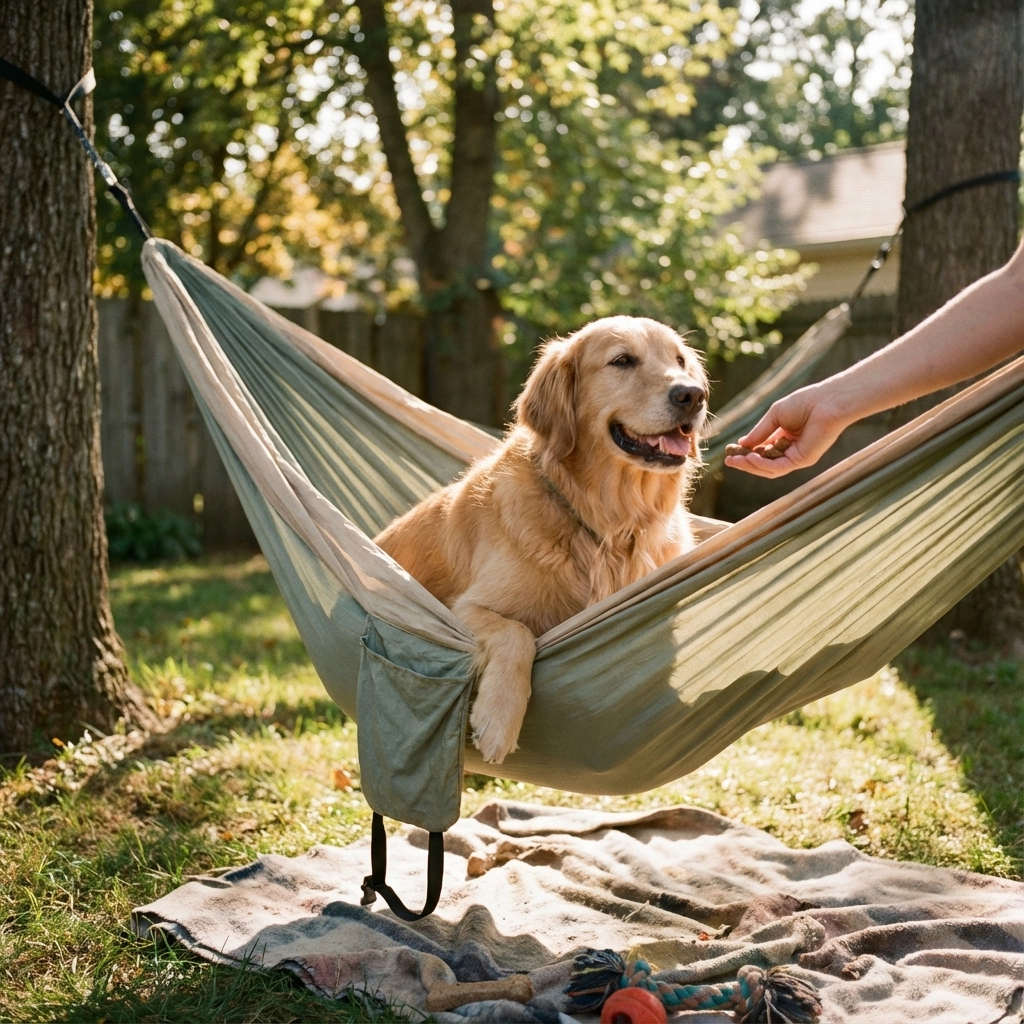
The key is making the hammock a positive experience. If your dog seems stressed or anxious, take a step back and go slower. You can even feed them treats or meals near the hammock to create good associations. Remember, not every dog will want to sleep in the hammock with you, and that's perfectly fine too.
Step 2: Choose Your Setup and Location Wisely
When you're ready to take this show on the road, your campsite selection becomes crucial. You're not just thinking about two trees at the right distance anymore: you need to consider your dog's safety and comfort too.
Look for level ground underneath your hammock. If your dog decides to make a midnight exit (which happens more often than you'd think), you don't want them landing on rocks, roots, or a slope that could send them tumbling. Flat, soft ground covered with leaves or pine needles is ideal.
Avoid hanging your hammock over anything that could pose a danger: steep drop-offs, rocky areas, or anywhere near water that's deep or has a strong current. I know it sounds obvious, but when you're setting up in fading light after a long day of hiking, it's easy to overlook these details.
For the hammock itself, consider getting a slightly wider model if you plan to share space with your dog. I upgraded to an 11-foot hammock, which gives Max and me both plenty of room without feeling cramped. If you're sticking with a standard size, that works too: just know that bigger dogs might be more comfortable on the ground.
Step 3: Plan the Sleeping Arrangements
This is where you need to be honest about your dog's personality and sleeping habits. Does your pup like to sprawl out? Are they a restless sleeper who changes positions every hour? Do they tend to get hot easily? These factors will help you decide whether they should join you in the hammock or sleep on the ground below.
If you're going to have your dog in the hammock with you, bring a quilt or thick blanket to line the inside. Dog nails and hammock fabric aren't the best of friends, and you don't want to end up with tears (either in your hammock or your eyes when you realize you've damaged your gear). I learned this lesson when Max left several small holes in my original hammock during our third trip together.
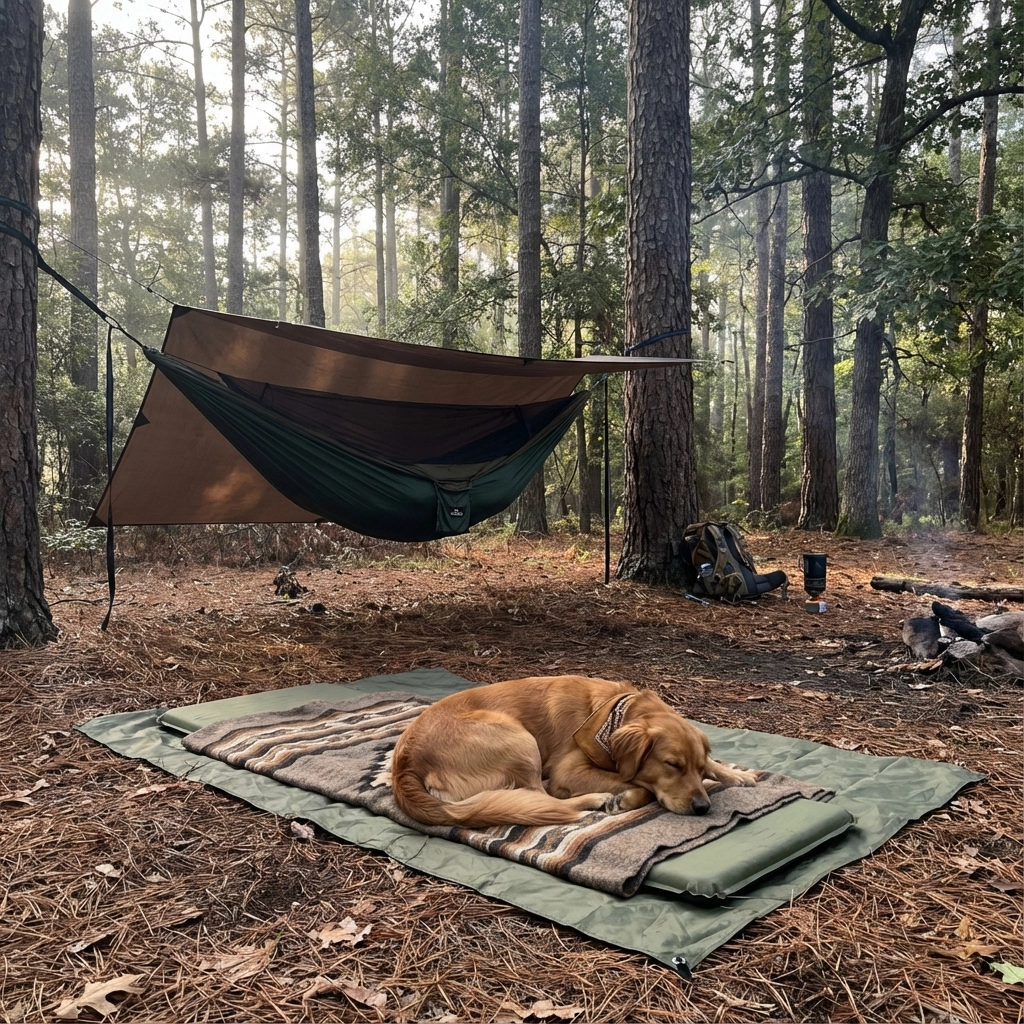
For dogs sleeping on the ground, create a comfortable setup directly under your hammock. Bring a waterproof pad, a cozy blanket or sleeping bag, and consider rigging a small tarp overhead if rain's in the forecast. This keeps them close to you while giving them the space to move around as needed.
Some folks get creative with a second, smaller hammock hung low to the ground specifically for their dog. This works great for smaller or medium-sized dogs who like the idea of a hammock but need their own space. Just make sure it's low enough that they can easily get in and out: about six inches off the ground is perfect.
Step 4: Safety First (Because Adventure Should Be Fun, Not Scary)
Here's where I get a bit serious for a minute, because keeping your dog safe in the backcountry is non-negotiable. Even the most well-trained dogs can get spooked by nighttime sounds or catch an interesting scent that sends them bolting into the darkness.
Keep your dog on a leash or long line, especially at night. I use a 15-foot lead that gives Max plenty of room to move around and find his preferred sleeping spot, but keeps him from wandering off to investigate that interesting rustling in the bushes. You can tie the other end to a nearby tree, your hammock's ridgeline, or just hold onto it while you sleep.
Make sure your dog is current on all their vaccinations and flea/tick prevention before heading out. The woods are full of critters that would love to hitch a ride home on your pup. I also trim Max's nails before every camping trip: not just to protect my gear, but because shorter nails give him better traction on rocks and logs.
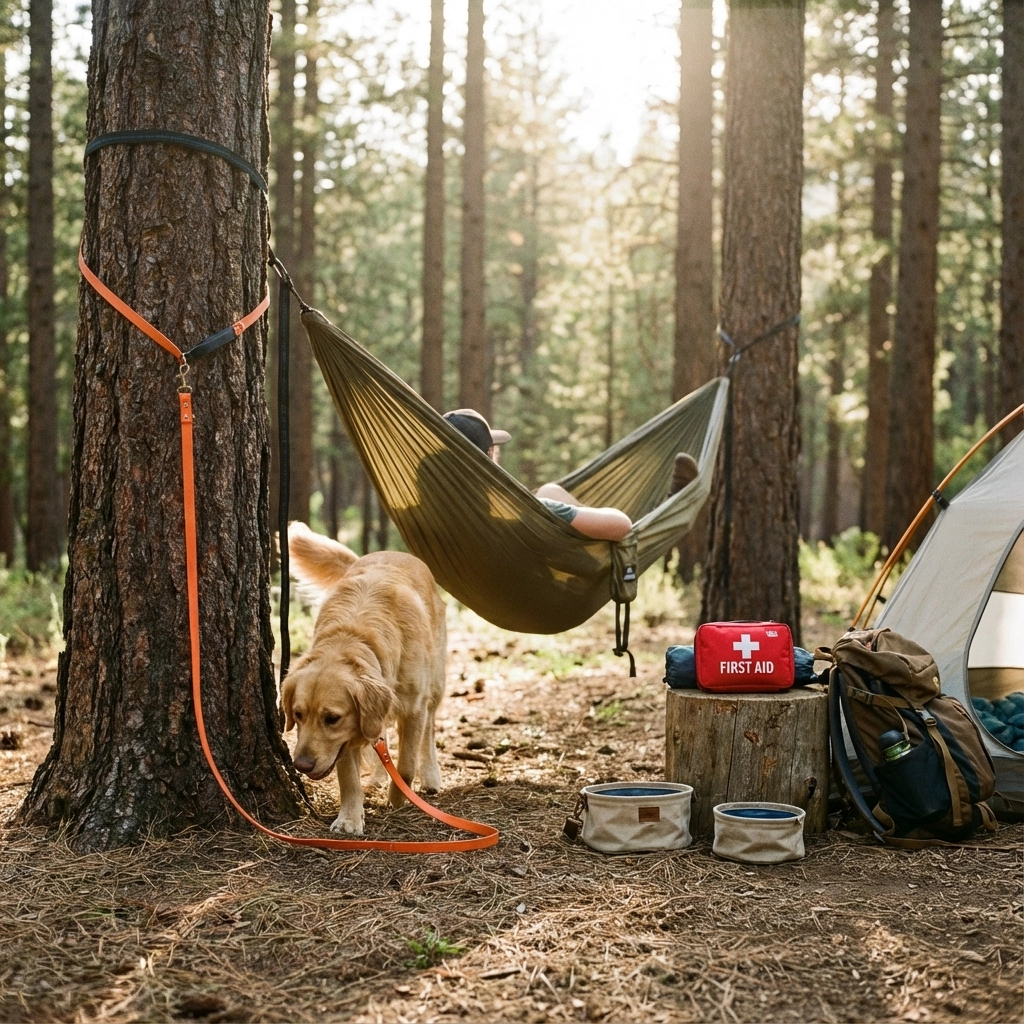
Water is crucial. Bring more than you think you'll need: at least a liter per day for large dogs, and don't forget a collapsible bowl. I pack an extra water bladder specifically for Max because sharing from my water bottle gets old fast, especially when he's been drooling on the trail all day.
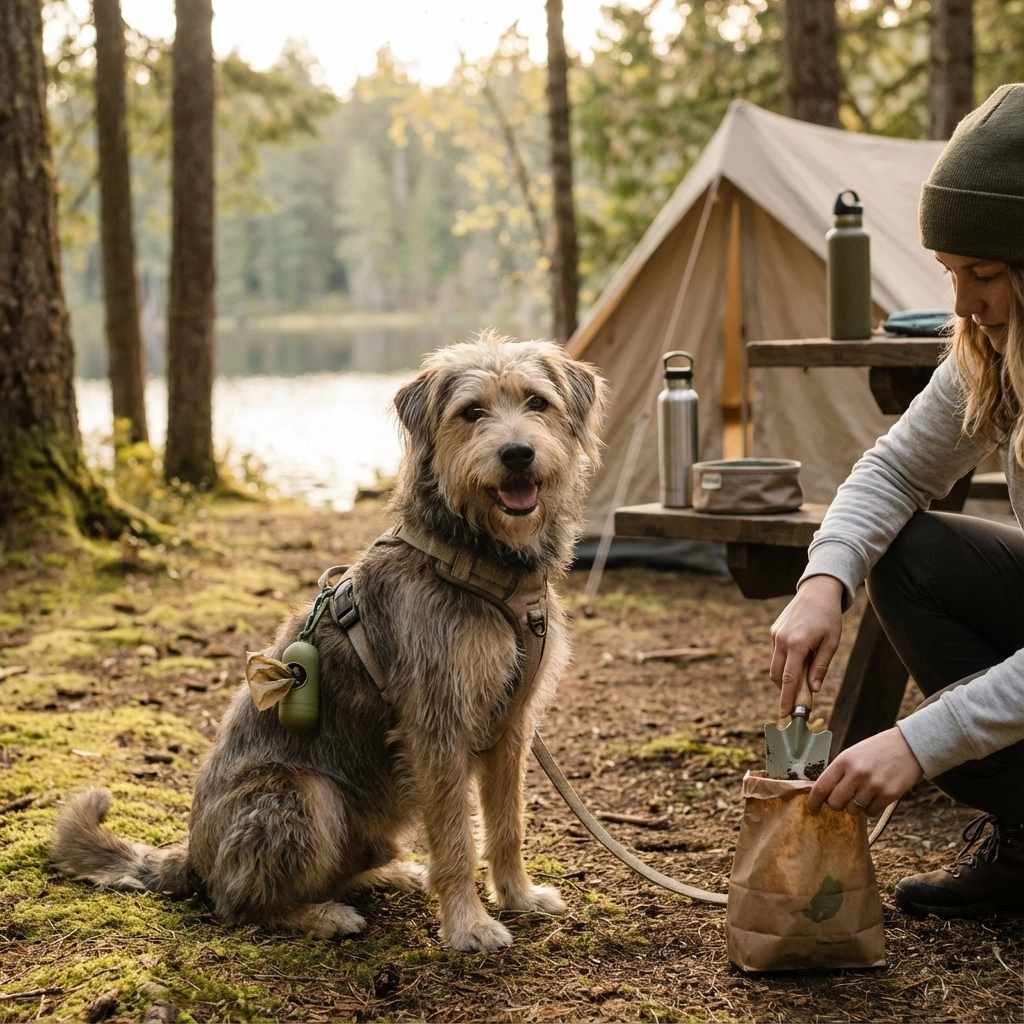
Don't forget the basics: waste bags, a collar with ID tags, and any medications your dog might need. I also bring a basic first aid kit that includes items for both of us: things like antiseptic wipes, gauze, and emergency contact info for the nearest vet.
Step 5: Do a Trial Run (Your Future Self Will Thank You)
Before committing to a multi-day adventure, take your hammock camping setup on a test drive somewhere close to home. This could be your backyard, a local park, or a campground that's just an hour away. The goal is to work out any kinks in a low-stakes environment where you can easily call it quits if things aren't working.
During our first trial run, I discovered that Max got anxious when he couldn't see me from his ground setup. Solution? I moved his sleeping area to the side of my hammock instead of directly underneath, where he had a clear view of my face. Small adjustment, huge improvement in his comfort level.
You might find that your dog prefers a different type of blanket, or that your hammock hangs at an angle that makes it hard for them to jump up. Maybe they need a different length leash, or you realize you forgot to pack their favorite toy that helps them settle down. All of these discoveries are way better made at home than three miles into the wilderness.
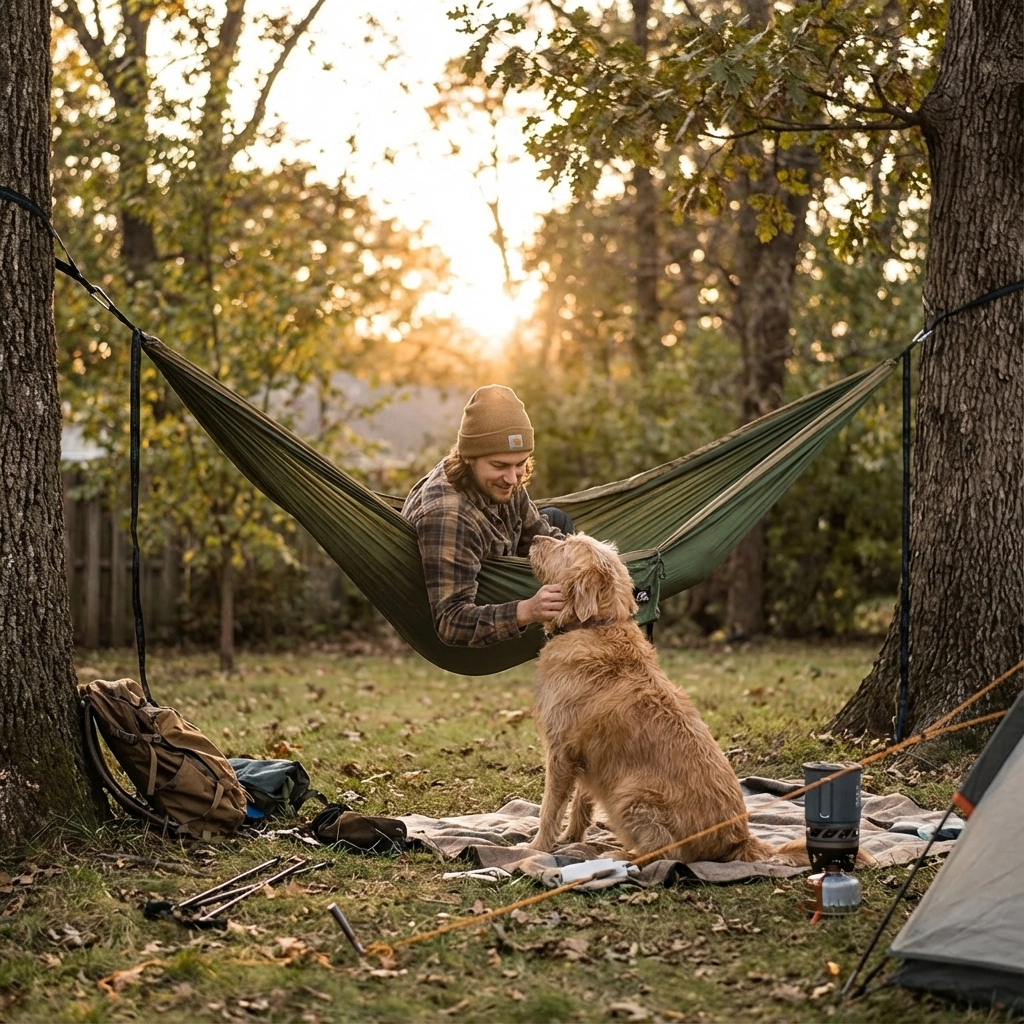
Pay attention to how your dog reacts to the sounds of the night too. Some dogs adapt quickly to the hooting owls and rustling leaves, while others might need a few trips to get comfortable. There's no shame in ending a trial run early: it's all valuable information for your next attempt.
What If Your Dog Just Isn't Into It?
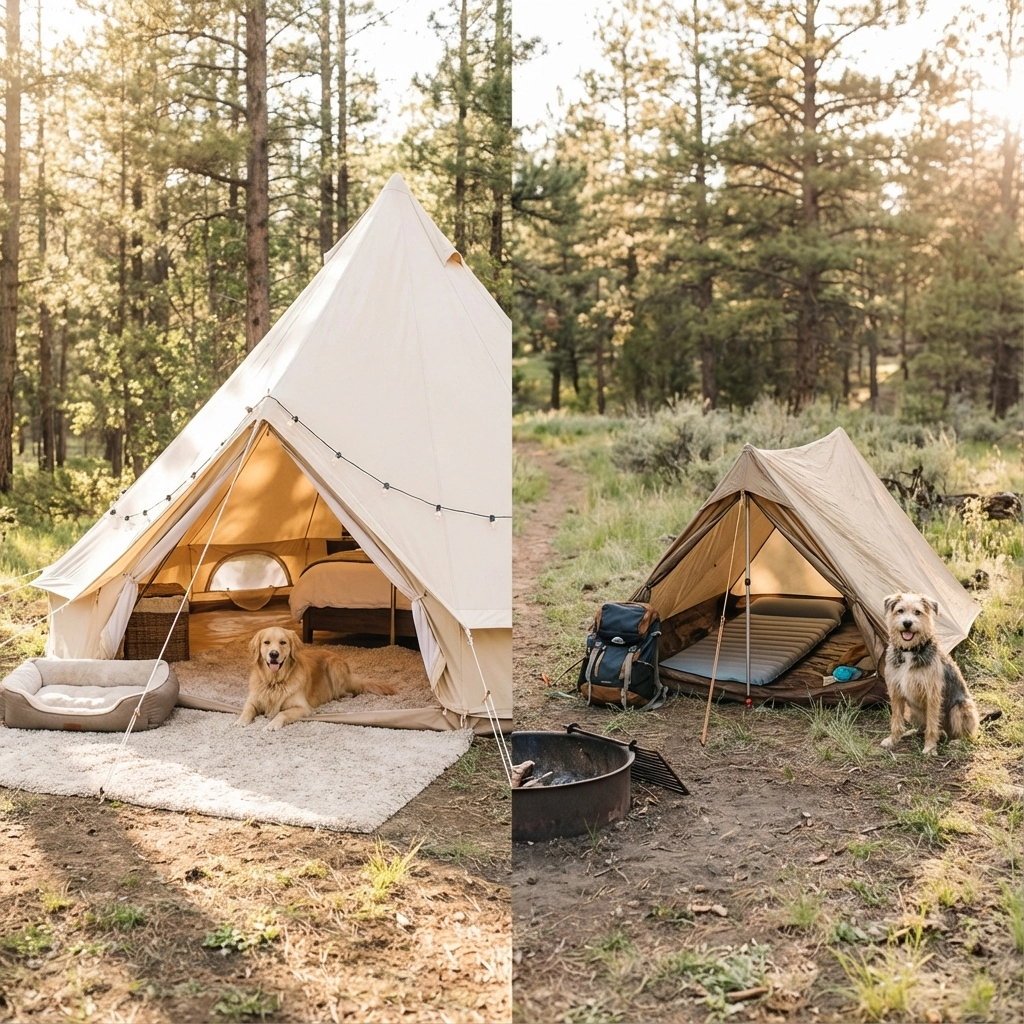
Here's the thing: not every dog is going to love hammock camping, and that's okay. Some prefer the security of a tent, others are perfectly content sleeping under the stars on a simple pad. The most important thing is that you're both comfortable and having fun.
If your dog consistently seems stressed or uncomfortable with the hammock setup, don't force it. There are plenty of other ways to enjoy the outdoors together. Maybe hammock camping becomes a solo activity for you, or maybe you compromise with a hybrid setup where you use a hammock for afternoon naps but stick to ground sleeping at night.
Max took about four trips to really settle into our routine, and even now, he sometimes prefers to sleep on the ground when it's warm or if there's interesting wildlife activity that has him on alert. I've learned to read his signals and adjust accordingly.
The key to successful hammock camping with your dog isn't perfect execution: it's flexibility, patience, and prioritizing your pup's comfort alongside your own. When you get it right, though, there's nothing quite like falling asleep to the gentle sway of your hammock with your best friend nearby, both of you tired and happy from a day of adventure.
Start with these five steps, be patient with the process, and before you know it, you'll have a camping routine that works for both of you. Sweet dreams under the stars are just a few practice sessions away!