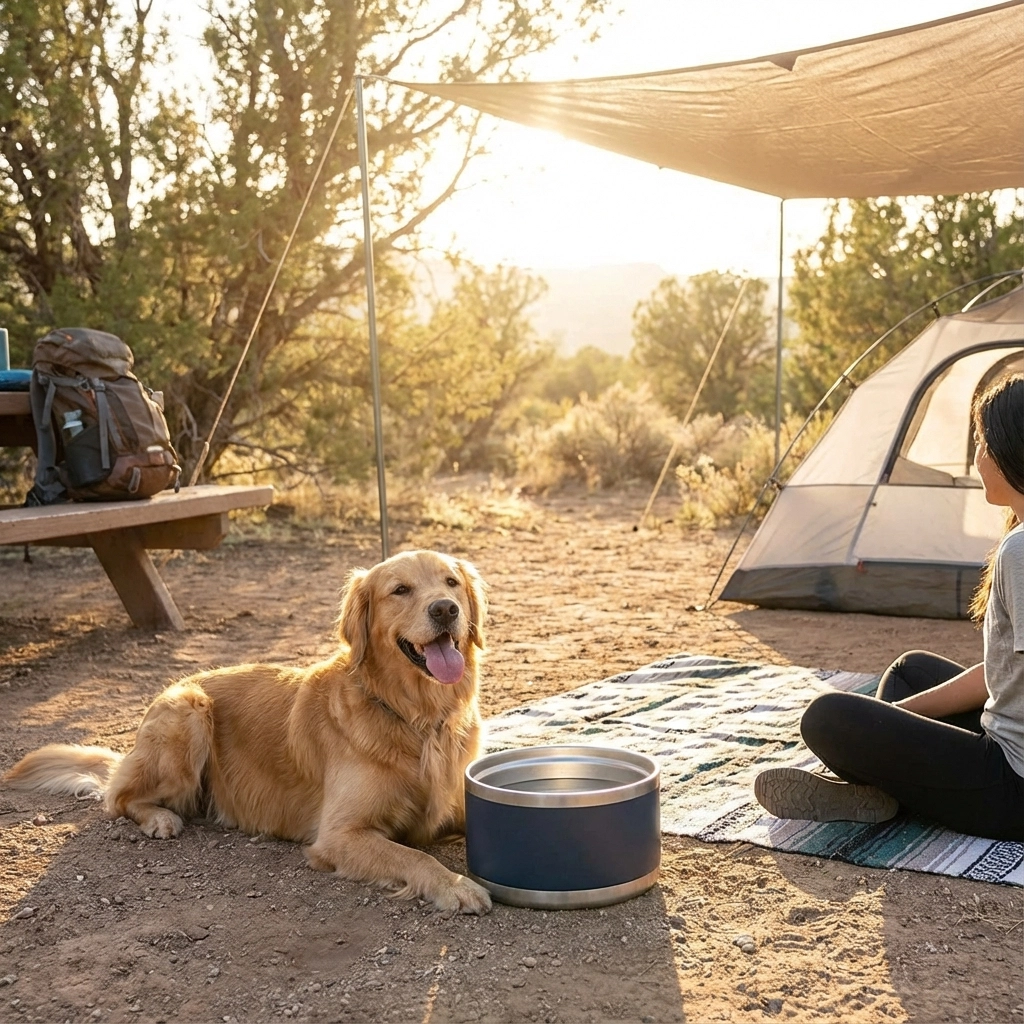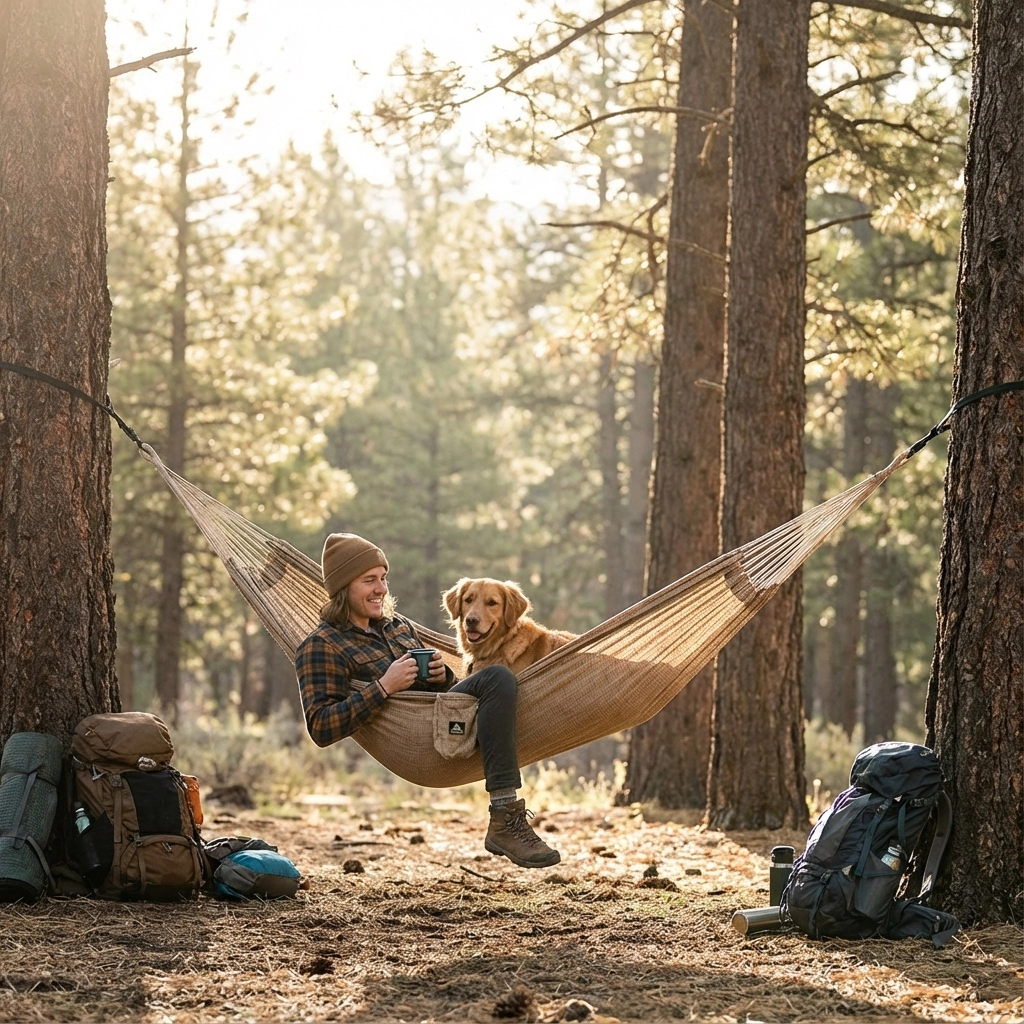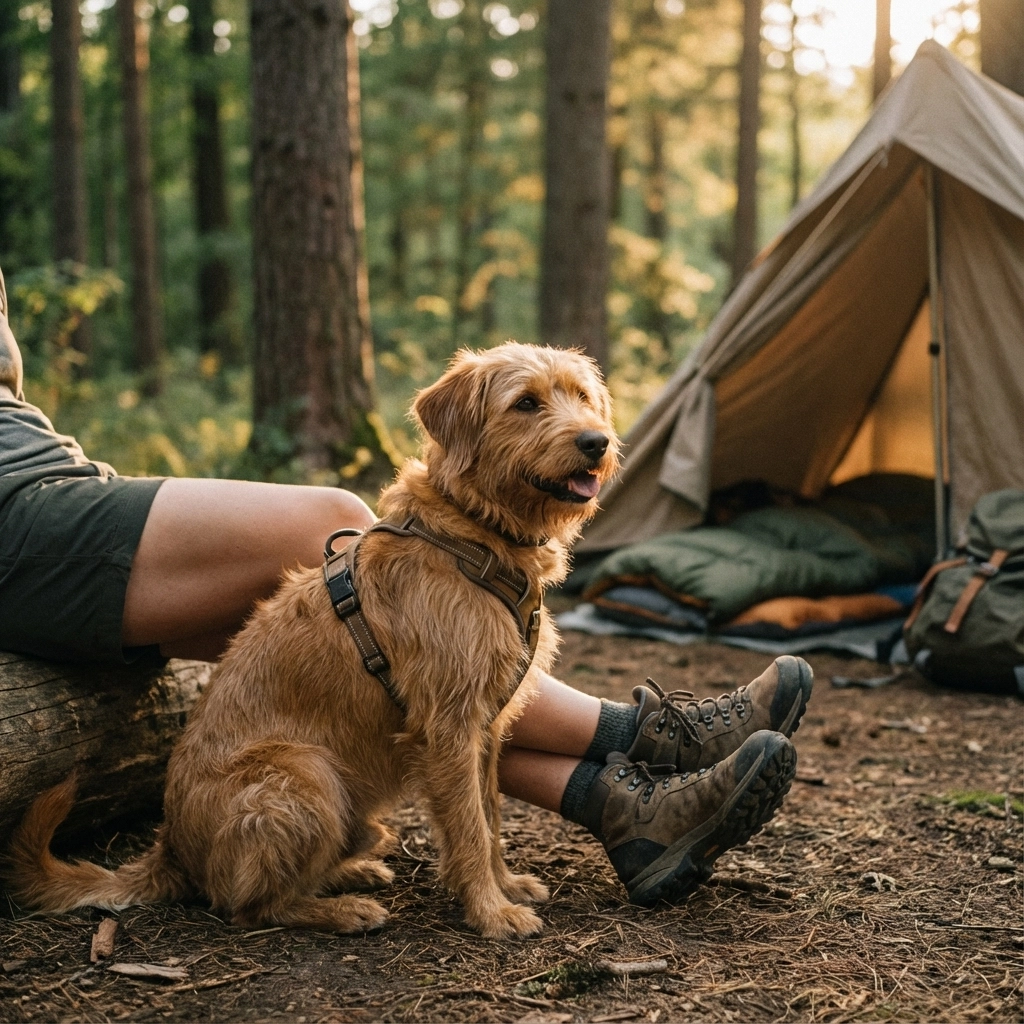

You're dreaming of those perfect camping mornings: your pup by your side, tail wagging as you both watch the sunrise over the mountains. But before you pack up the tent and hit the trail, there's one crucial question you need to answer: is your four-legged adventure buddy actually ready for this big outdoor step?
The truth is, not every dog is immediately ready for camping, and that's totally okay! With the right preparation and gradual acclimation, most dogs can become excellent camping companions. Let's dive into everything you need to know to set both you and your furry friend up for success.
Start with a Health Reality Check
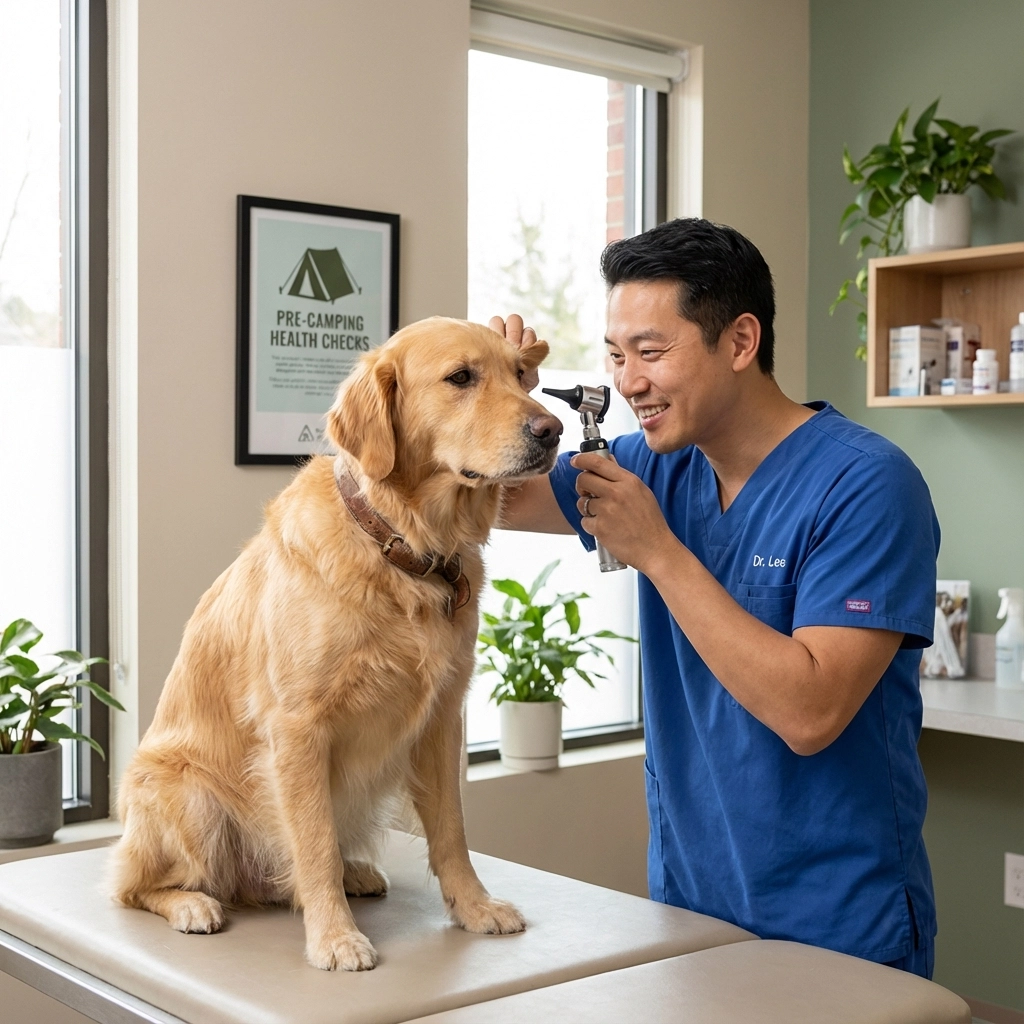
Before your dog takes their first step on a hiking trail, you'll want to schedule a pre-adventure vet visit. This isn't just a formality: it's your safety net. During this checkup, make sure your dog is current on all vaccinations, heartworm prevention, and flea and tick treatments. These aren't just recommendations; they're essentials when you're venturing into areas where your pup will encounter new wildlife, water sources, and other dogs.
Here's what your vet visit should cover:
- Updated rabies and DHPP vaccinations
- Current heartworm prevention
- Flea and tick protection appropriate for your camping region
- Any region-specific concerns (Lyme disease, rattlesnakes, etc.)
- A general health assessment to ensure your dog can handle physical activity
Don't forget about microchipping! If your dog isn't already microchipped, now's the time. Even the most well-behaved dogs can bolt when spooked by unfamiliar sounds or wildlife. Make sure your contact information is current in the microchip registry: it could be the difference between a scary night and a happy reunion.
The Art of Gradual Acclimation
Here's where many first-time dog campers make a big mistake: they assume their house-trained, well-behaved pup will automatically love sleeping under the stars. The reality? Camping involves a lot of new experiences that can overwhelm even the most confident dogs.
Test the Waters with Car Adventures
Start your acclimation process with progressively longer car rides. If your dog gets anxious during a 20-minute trip to the vet, they're definitely not ready for a three-hour journey to the campsite. Begin with short, fun car trips to places your dog enjoys: maybe a new dog park or pet-friendly store. Gradually increase the duration while watching for signs of car sickness or anxiety.
The Backyard Trial Run
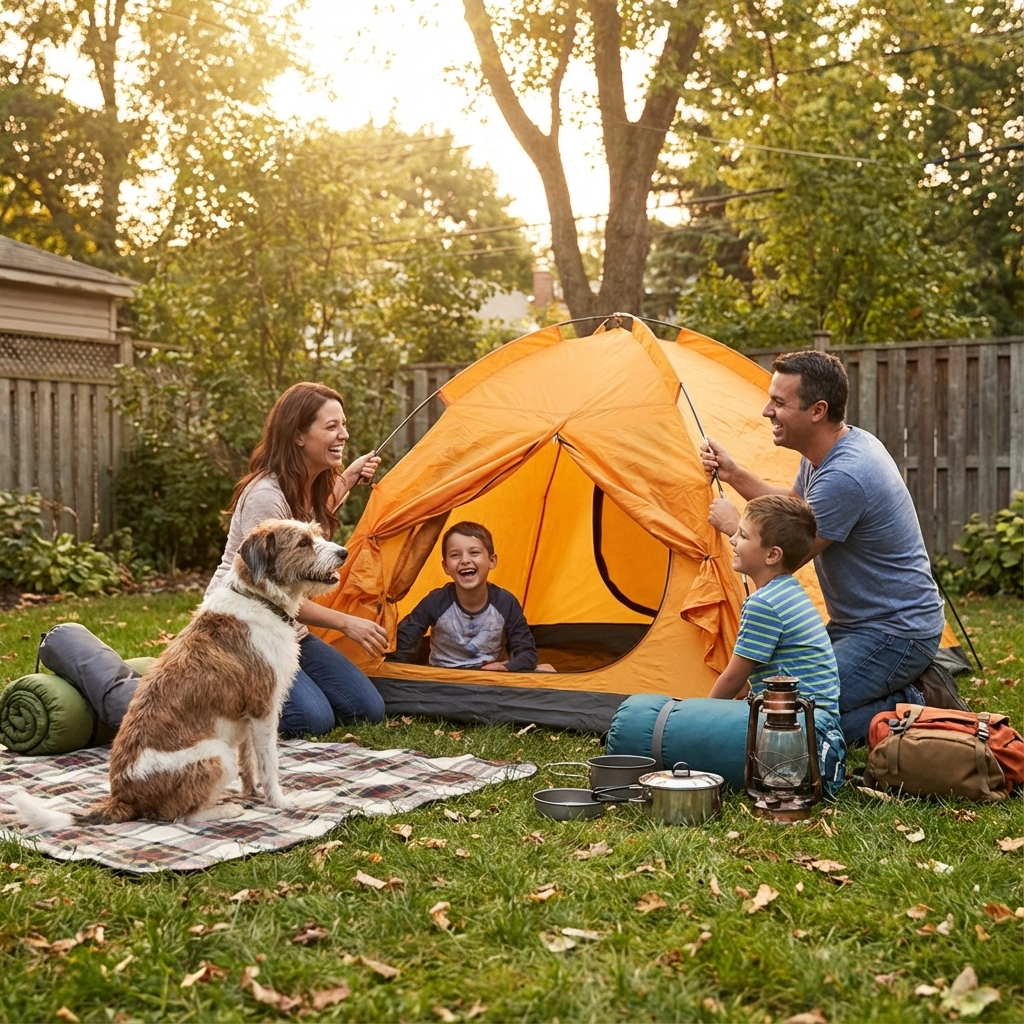
This is where the magic happens! Set up your actual camping tent in your backyard and spend a night "camping" at home. This trial run is invaluable because it lets your dog experience:
- Sleeping in an unfamiliar shelter (the tent)
- New sounds (tent fabric moving in the wind)
- Different smells (camping gear, outdoor air circulation)
- A changed routine in a familiar environment
During your backyard campout, pay attention to how your dog reacts. Are they curious and adaptable, or stressed and clingy? This will tell you a lot about their readiness level and what you might need to work on before heading to the real wilderness.
Building Camping Confidence
Some dogs are natural outdoor adventurers, while others need more encouragement. If your backyard trial revealed some anxiety, don't worry: you can build your dog's confidence with these strategies:
Practice the camping routine: Set up and take down your tent several times at home, letting your dog investigate and get comfortable with the process. The more familiar these activities become, the less stressful they'll be in a new environment.
Introduce camping gear gradually: Let your dog sniff and explore camping equipment before packing it away. Some dogs are suspicious of new objects, so familiarity breeds comfort.
Work on "place" commands: Teaching your dog to settle on a specific blanket or mat will be incredibly helpful when you need them to stay calm around the campfire or inside the tent.
Essential Pre-Trip Planning
Your homework doesn't end with training: proper planning can make or break your camping experience. Research your chosen campground thoroughly. Not all "pet-friendly" campgrounds are created equal. Some have size restrictions, breed limitations, or require proof of vaccinations. Call ahead if you're unsure about any policies.
Create a backup plan by identifying a veterinary clinic near your camping destination. You probably won't need it, but knowing where to go in an emergency will give you peace of mind. Many camping areas are remote, so this research is crucial.
Plan your travel route with your dog in mind. Identify pet-friendly rest stops, dog parks, or even just large parking lots where your pup can stretch their legs, relieve themselves, and burn off some energy. A tired dog is generally a calmer, happier camping dog.
Reading the Signs: Is Your Dog Really Ready?
After all your preparation, how do you know if your dog is truly ready for that first camping trip? Look for these positive signs:
- Your dog sleeps comfortably in the backyard tent
- They remain calm during longer car rides
- They respond reliably to basic commands even with distractions
- They don't show excessive anxiety around new sounds or environments
- They're comfortable being on a leash for extended periods
Red flags that might indicate your dog needs more preparation time include:
- Destructive behavior when stressed or anxious
- Inability to settle down in new environments
- Aggressive reactions to other dogs or strangers
- Severe car sickness that doesn't improve
- Excessive vocalization (barking, whining) that disturbs others
Safety First: Your Camping Day Essentials
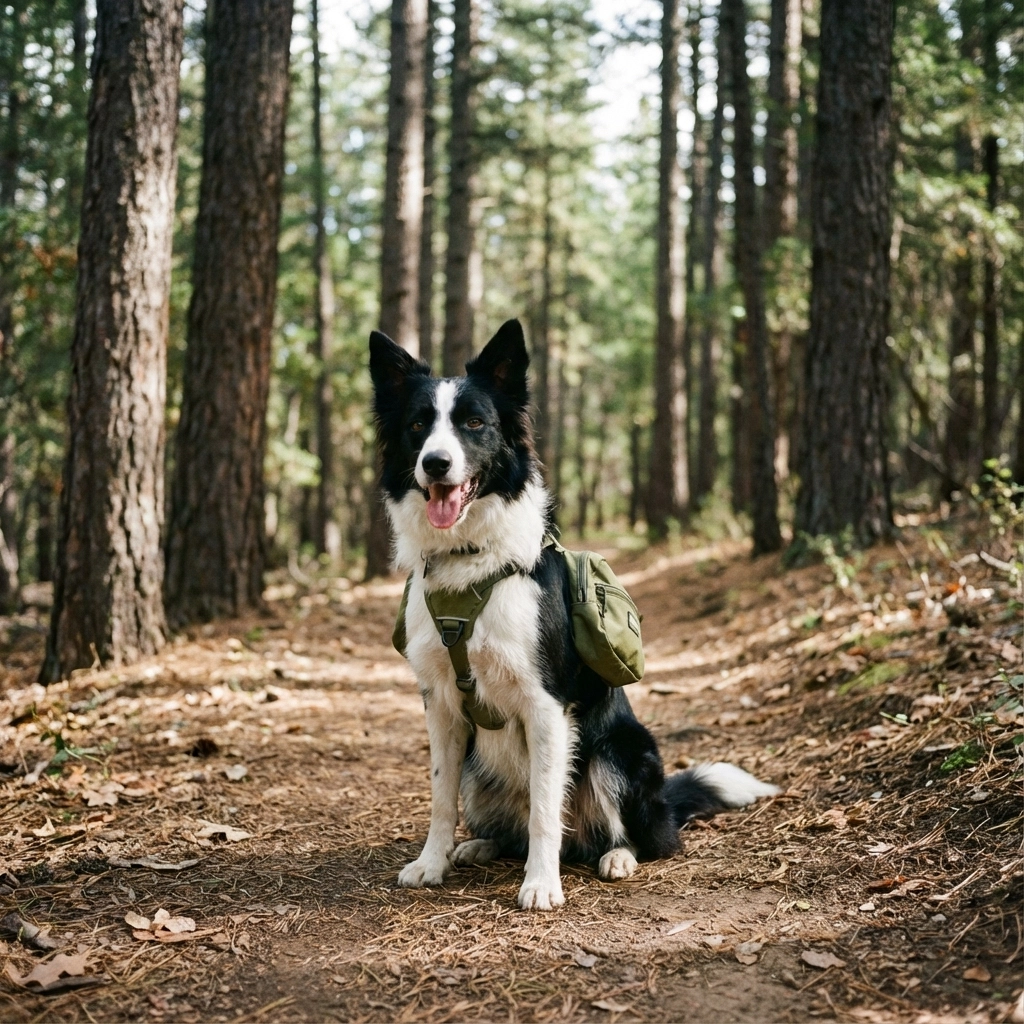
Once you've determined your dog is ready, proper safety measures become your top priority. Always supervise your dog: even in "dog-friendly" campgrounds, there are hazards like wildlife, other campers' food, and unfamiliar dogs that could cause problems.
Keep your dog leashed or in a secure, portable enclosure at all times. Even the most well-trained dogs can become distracted or spooked by wildlife, leading them to bolt into dangerous situations.
Water safety is crucial. Bring your own fresh water or a reliable filtration system. Never let your dog drink from lakes, rivers, or puddles, which can harbor harmful bacteria, parasites, or blue-green algae that's toxic to dogs.
Creating Comfort in the Wild
Your dog's comfort directly impacts everyone's enjoyment of the trip. Pack familiar items like their favorite blanket or toy to help them feel secure in the new environment. Ensure they have adequate shelter from weather extremes: this might mean a dog sleeping bag for cold nights or a cooling mat for hot days.
Provide mental stimulation to prevent boredom and anxiety. Puzzle toys, chew treats, or even simple training sessions can help keep your dog's mind occupied when they can't freely explore.
Signs of a Successful Camper
You'll know your acclimation process worked when you see your dog:
- Settling quickly in new environments
- Maintaining their normal eating and sleeping patterns
- Showing curiosity rather than fear about new sights and sounds
- Following commands reliably despite distractions
- Enjoying the outdoor experience alongside you
Remember, every dog is different, and some may need multiple practice runs before they're truly ready for extended camping trips. Don't rush the process: it's better to take your time and ensure both you and your dog will have a positive experience.
The goal isn't just to get your dog to tolerate camping; it's to help them become a confident, happy outdoor adventurer who enhances your wilderness experiences rather than creating stress. With patience, proper preparation, and gradual acclimation, you'll soon be sharing those magical camping moments you've been dreaming about: complete with a contented, tail-wagging companion by your side.