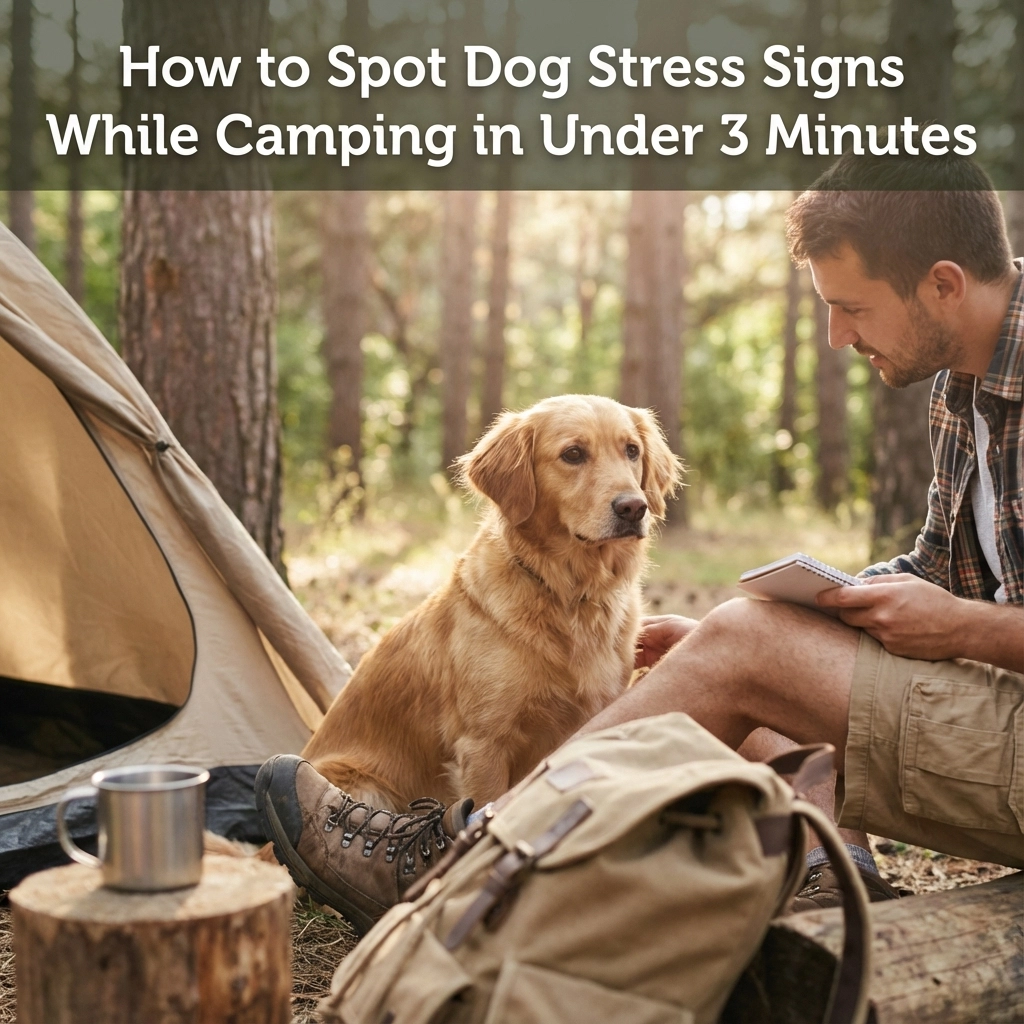
You're finally at that perfect campsite, your pup's tail is wagging, and everything seems pawsome – until you notice something's off. Maybe your usually food-motivated dog won't touch their dinner, or they're panting like crazy even though it's not that hot.
Here's the thing: dogs can't tell us when camping stress hits, but they're constantly communicating through their body language and behavior. The good news? You can become a stress-spotting pro in just three minutes by learning what to look for.
Why Camping Stress Happens (And Why It Matters)
Your dog's world just got flipped upside down. New smells, sounds, sleeping arrangements, and routines can overwhelm even the most adventurous pups. Unlike at home where they know every corner and sound, camping throws them into sensory overload.
Catching stress early isn't just about comfort – it's about safety. A stressed dog might bolt, refuse to eat or drink, or even become aggressive. But when you know what to watch for, you can turn a potentially ruff situation into a tail-wagging success.
The 3-Minute Stress Check: Your Quick Assessment Tool
Set a timer for three minutes and run through this mental checklist every few hours during your first day. Once you get the hang of it, this becomes second nature.
Minute 1: The Physical Scan
Start with what you can see immediately. Is your dog panting excessively when it's not hot? Are they shaking or trembling? Look for drooling that seems out of place, and check if they're doing that weird lip-licking thing when there's no food around.
Minute 2: Behavior Check
Watch how they're moving and acting. Are they pacing around the campsite instead of settling down? Have they become your shadow, following you everywhere? Or maybe they've gone the opposite direction and are hiding behind the tent or under the picnic table.
Minute 3: The Interaction Test
Offer their favorite treat or try to engage them in a quick game. A stressed dog will often refuse food they'd normally demolish or show zero interest in activities they usually love.
Physical Signs That Scream "I'm Stressed!"
The Panting Problem
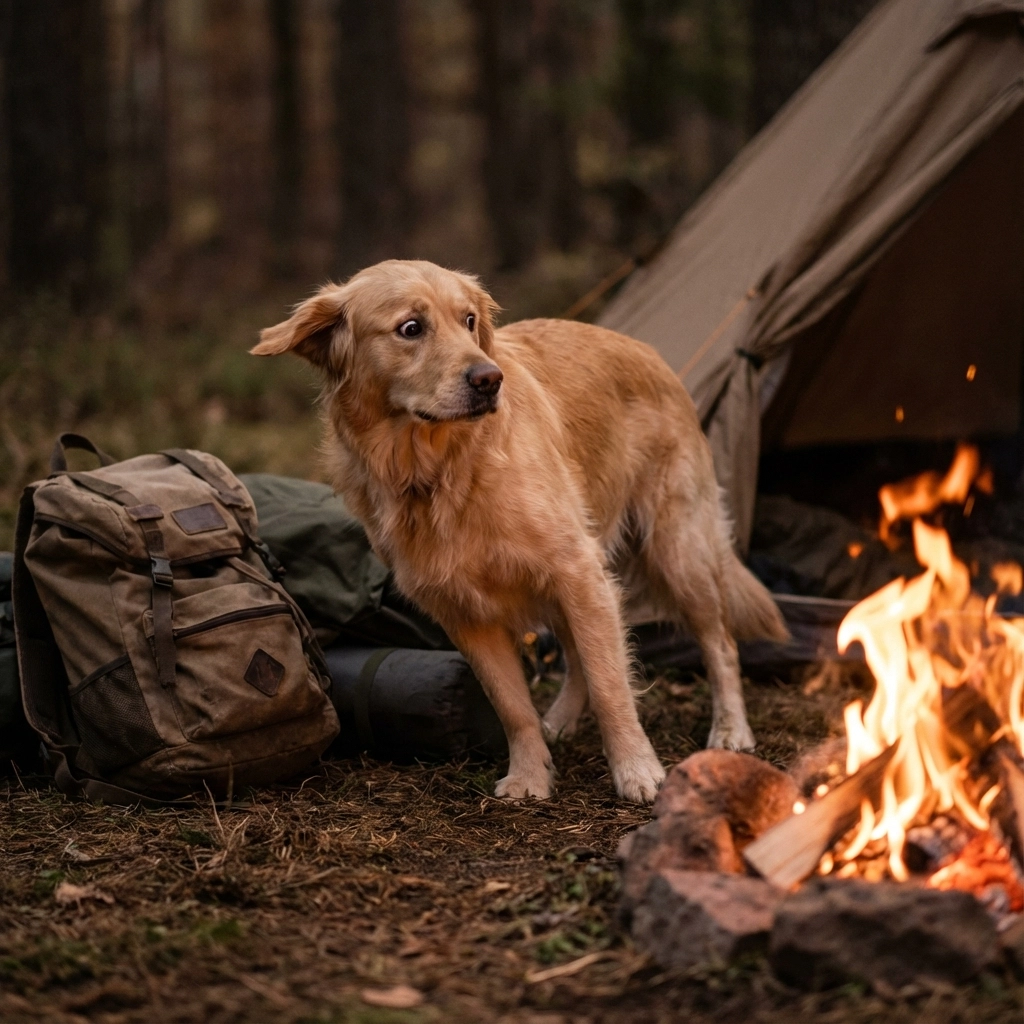
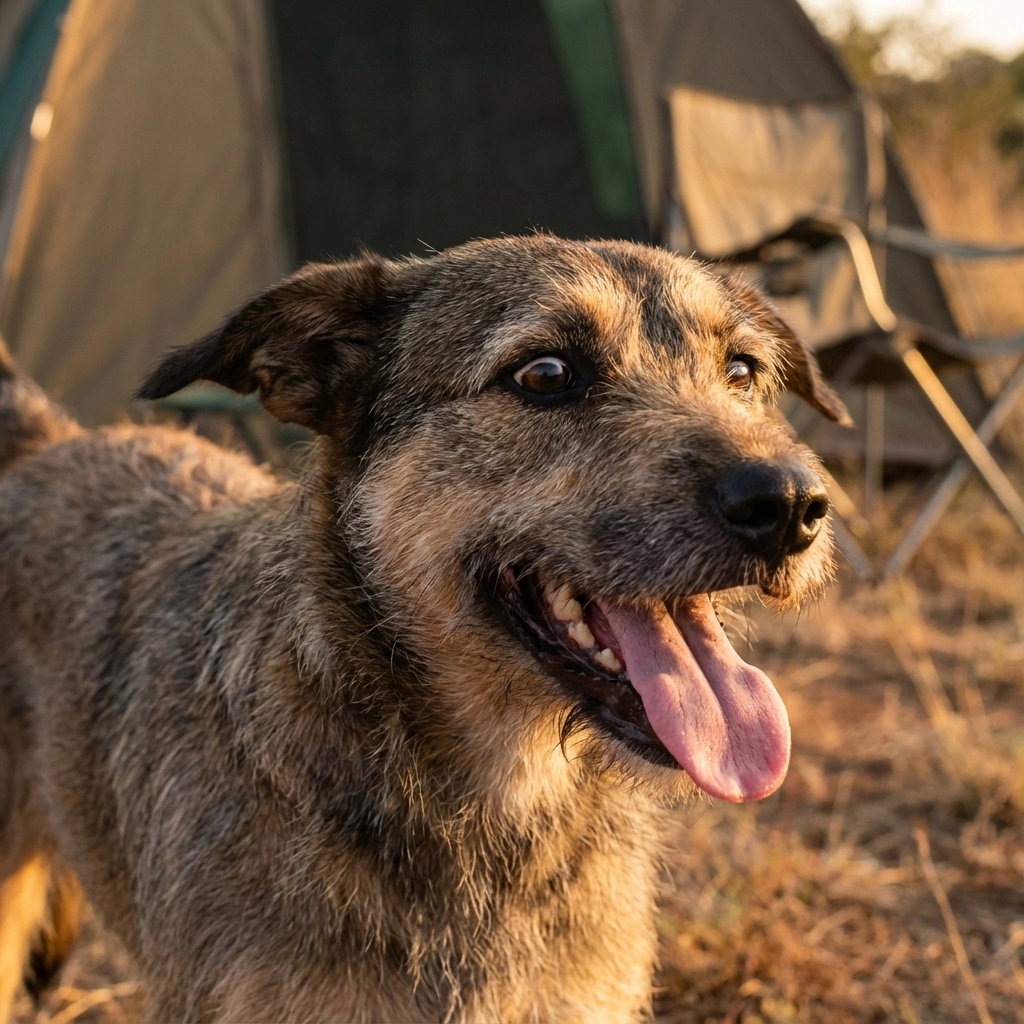
Not all panting is created equal. Normal panting after a hike looks relaxed – tongue hanging out, relaxed face, steady rhythm. Stress panting is different: fast, shallow breaths with a worried expression. You'll often see this paired with wide eyes that show more white than usual (called "whale eye").
Shaking and Trembling
If your dog is doing their best impression of a leaf in a windstorm and it's not cold, stress is likely the culprit. This isn't the excited wiggle they do when you grab the leash – it's a full-body tremor they can't seem to stop.
Drool City
Some dogs drool naturally, but if your typically dry-mouthed pup suddenly looks like they've been slobbering over a steak dinner, take note. Stress can definitely turn on the drool faucet.
Body Language Red Flags
Ears pinned back against their head, tail tucked tight between their legs, or a hunched posture all signal discomfort. Their body might lean away from new stimuli, or they might make themselves as small as possible.
Behavioral Changes That Give Stress Away
The Pacing Patrol
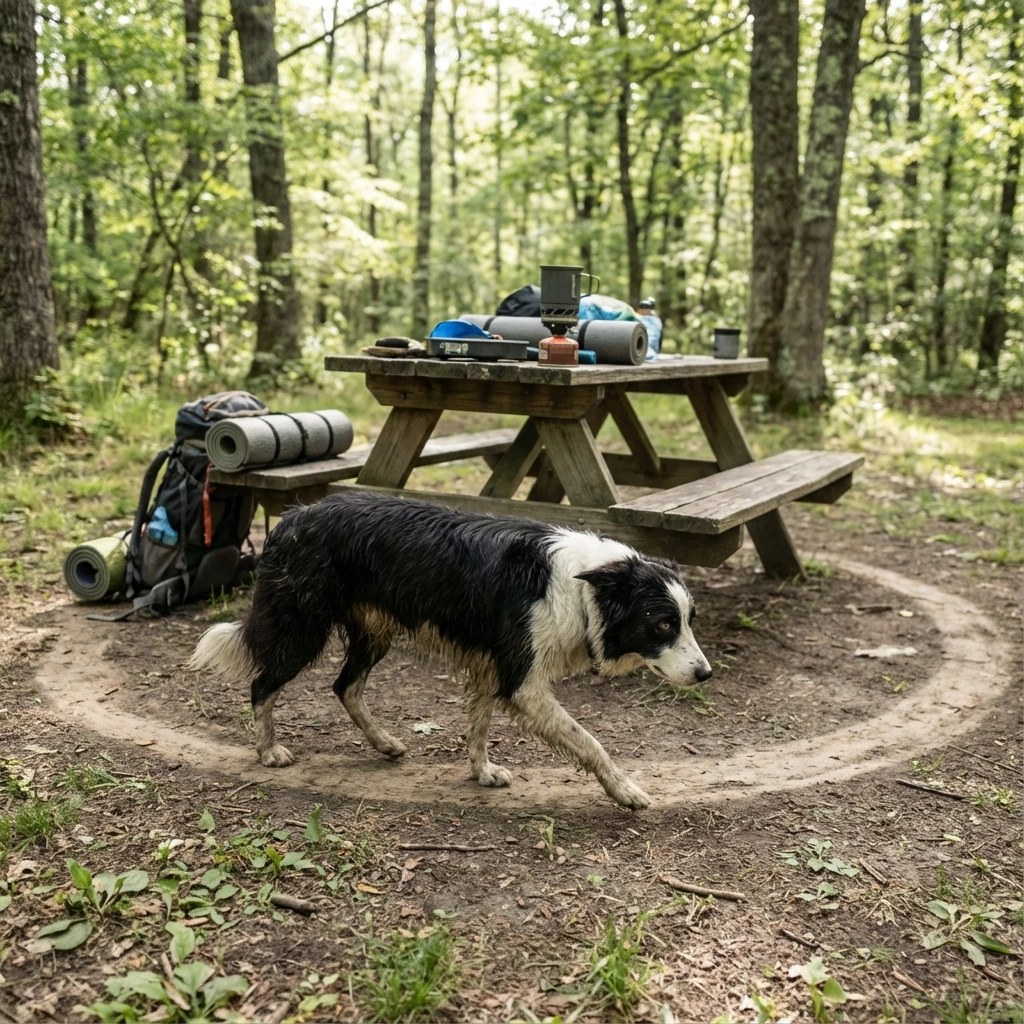
A stressed dog can't seem to find their "spot." They'll walk in circles, move from place to place, or just can't seem to settle down. This restless energy is their way of saying the environment doesn't feel safe enough to relax.
Vocal Stress Signals
While some dogs get quieter when stressed, others become chatterboxes. Excessive whining, barking at every little sound, or making weird vocalizations they don't usually make are all stress responses.
Food Strike
Your food-motivated pup suddenly turning their nose up at dinner? That's a huge red flag. Dogs rarely refuse food unless something's really bothering them.
Bathroom Issues
Stress can mess with their bathroom routine in both directions. Some dogs might have accidents despite being housetrained, while others might hold it longer than usual because they don't feel comfortable going in the new environment.
The Velcro Dog or the Hermit
Stress makes dogs choose fight or flight – they either become your shadow, needing constant reassurance, or they withdraw and want nothing to do with anyone.
Camping-Specific Stressors to Watch For
Altitude Effects
If you're camping above 8,000 feet, some panting is normal as dogs adjust to thinner air. But combine altitude panting with other stress signs, and you'll know it's more than just elevation.
Weather Sensitivity
Sudden temperature changes, humidity, or approaching storms can spike stress levels. Your dog might sense weather changes long before you do and start showing signs hours in advance.
Wildlife Overload
All those new smells and sounds from local wildlife can put your dog on high alert. Even if you don't see anything, your pup's nose is telling them there are deer, raccoons, or other animals nearby.
Sleep Disruption
A tired dog is a stressed dog. If they're not sleeping well because of new sounds or sleeping surfaces, stress signs will compound quickly.
Quick Fixes That Actually Work
The Comfort Zone Creation
Set up a familiar space immediately. Bring their favorite blanket, bed, or toy and create a designated "safe zone" where they can retreat. This gives them one predictable spot in all the chaos.
The Treat Trail
Use high-value treats to create positive associations with the campsite. Toss treats around the area, reward calm behavior, and make the space feel rewarding rather than scary.
Routine Rescue
Stick to familiar routines as much as possible. Feed them at the same times, maintain regular potty breaks, and keep exercise schedules consistent.
The Calm Down Protocol
If you spot multiple stress signs, stop what you're doing and focus on your dog. Find a quiet spot away from stimuli, offer water, and just let them decompress for 10-15 minutes.
When Stress Turns Serious
Time to Take Action
If you're seeing multiple stress signs together – like panting plus refusing food plus hiding – your dog is telling you they've hit their limit. Don't push through hoping it'll get better.
The Safety Check
Excessive panting with dry gums, refusal to drink water, or any signs of overheating require immediate action. Move to shade, offer small amounts of cool water, and consider ending the trip if things don't improve quickly.
Know When to Call It
Sometimes the kindest thing is recognizing when camping just isn't working for your particular dog on this particular trip. There's no shame in packing up early – you're being a responsible pet parent.
Building Confidence for Next Time
Every camping trip is a learning experience. Take notes about what stressed your dog and what helped them calm down. You might discover they do better with certain types of campsites, specific gear, or particular routines.
Remember, some dogs take longer to adjust than others. Your nervous pup might need several short trips before they become a confident camper, and that's totally normal.
The goal isn't to eliminate all stress – a little bit is normal when encountering new experiences. You're aiming to catch it early and help your dog work through it rather than letting it escalate into panic mode.
Your Stress-Free Camping Toolkit
Keep this mental checklist handy for your next adventure:
- Do a 3-minute stress check every few hours
- Watch for excessive panting, shaking, or drooling
- Notice behavior changes like pacing, food refusal, or withdrawal
- Create familiar comfort zones immediately
- Maintain routines when possible
- Don't hesitate to take breaks or modify plans
With practice, you'll become incredibly tuned in to your dog's stress signals. You'll start noticing the subtle signs before they become obvious ones, making every camping trip more enjoyable for both of you.
Your dog's telling you everything you need to know – you just need to learn their language. And now you can do it in under three minutes flat!
For more tips on preparing your pup for outdoor adventures, check out our guide on whether your dog is ready for camping.