Picture this: you're standing at the entrance to your first national park with your four-legged adventure buddy, both of you practically vibrating with excitement. Your dog's tail is wagging so hard their entire body wiggles, and you're mentally running through your camping checklist when a friendly ranger approaches with a smile. "Have you heard about our BARK Ranger program?" they ask. "Your pup can actually earn their very own national park badge!"
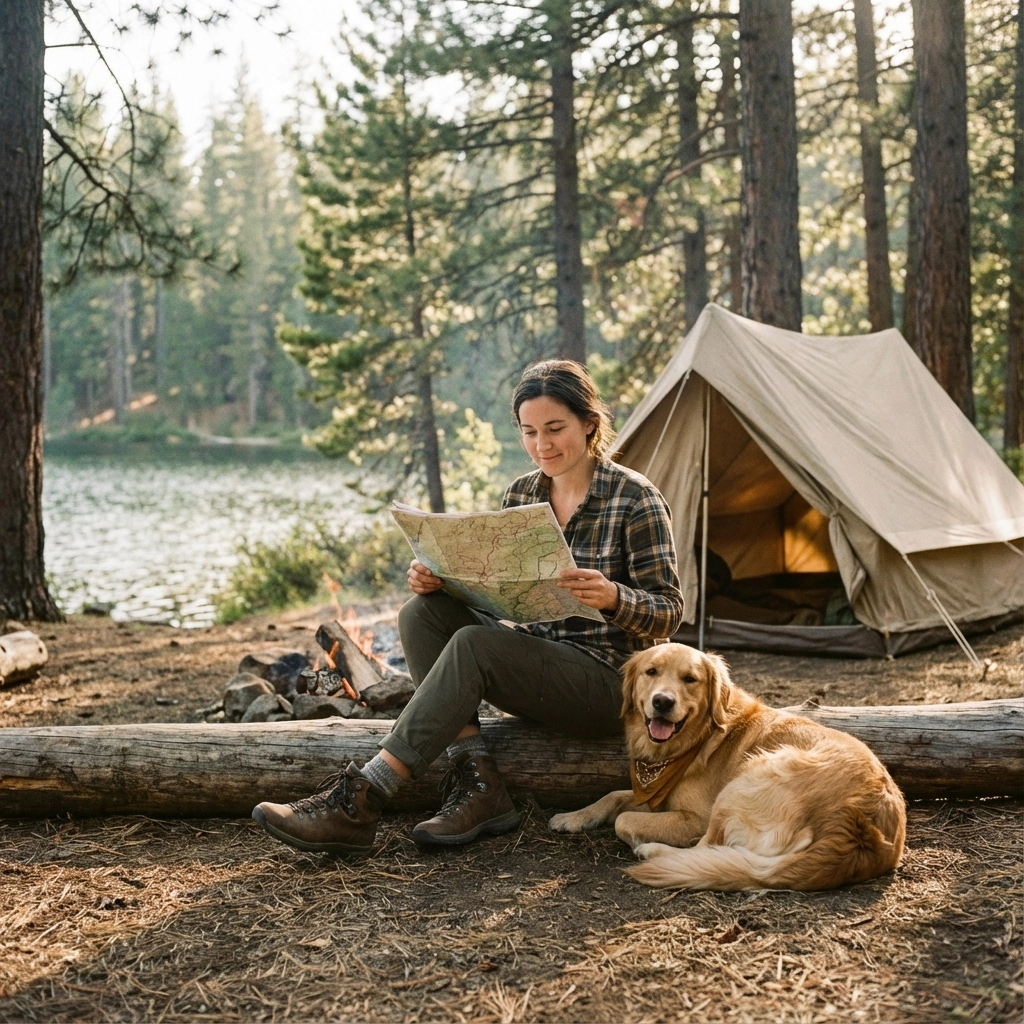
That's exactly how Sarah and her golden retriever Max discovered the BARK Ranger program at Acadia National Park last summer. What started as a casual question from a park ranger turned into an incredible journey that transformed how they approached every outdoor adventure together.
The Moment of Discovery
Sarah had been camping with Max for years, thinking she knew all the ins and outs of responsible dog camping. She'd read countless articles about dog camping safety and had her gear dialed in perfectly. But when Ranger Johnson mentioned that Max could actually become an official park ranger himself, Sarah's curiosity was instantly piqued.
"Wait, you mean my dog can get an actual badge?" Sarah asked, watching Max sniff around the visitor center entrance with his usual enthusiasm.
Ranger Johnson chuckled. "That's right! The BARK Ranger program has been helping dogs and their humans become better park stewards since 2015. It's part of our Healthy People Healthy Parks Initiative, and over 60 national parks now participate."

Unraveling the Mystery of B.A.R.K.
As Ranger Johnson explained, Sarah quickly learned that BARK isn't just a clever play on words – it's actually an acronym that represents four fundamental principles every responsible dog owner should follow in national parks:
Bag your pet's waste seemed obvious to Sarah, but she discovered there's more nuance than she'd realized. It's not just about picking up poop – it's about properly disposing of it in designated receptacles and understanding that even biodegradable waste can disrupt delicate park ecosystems.
Always leash your pet was another principle Sarah thought she had mastered. Max was always on his trusty 6-foot leash during their adventures. But Ranger Johnson explained how this rule protects not just wildlife, but also other visitors and Max himself from unexpected dangers lurking in unfamiliar terrain.
Respect wildlife opened Sarah's eyes to behaviors she hadn't even considered problematic. She learned that letting Max chase squirrels or bark at deer could cause lasting stress to wild animals, potentially affecting their feeding patterns and breeding behaviors.
Know where you can go was perhaps the most eye-opening principle. Sarah discovered that many areas of national parks are completely off-limits to pets, not out of discrimination, but to protect both fragile ecosystems and the animals that call these places home.
The Journey Begins
Intrigued by what she was learning, Sarah decided to sign Max up for the BARK Ranger program right there on the spot. The process was surprisingly simple and incredibly engaging – nothing like the boring safety briefings she'd expected.
Ranger Johnson led them through an interactive session where Max got to demonstrate his leash manners while Sarah learned about Leave No Trace principles specifically designed for pet owners. They practiced proper waste disposal techniques, discussed the importance of keeping dogs on designated trails, and even learned how to read Max's body language to recognize signs of wildlife stress or overheating.
"The beautiful thing about this program," Ranger Johnson explained as he watched Max sit patiently during a mock wildlife encounter, "is that it's not just about following rules. It's about understanding why these guidelines exist and how following them makes the parks better for everyone – including your dog."
Every Park Tells a Different Story
What Sarah discovered as she and Max began visiting other BARK Ranger participating parks was that each location puts its own unique spin on the program. At Yellowstone, they joined a guided walk where a ranger shared stories about how unleashed dogs had disrupted bison herds in the past, bringing the "Always leash your pet" principle to vivid life.

At Great Smoky Mountains National Park, the BARK Ranger experience focused heavily on the "Respect wildlife" component. Max learned to remain calm and quiet when they encountered black bears in the distance, while Sarah gained a deeper appreciation for how her dog's behavior could impact the delicate balance of the ecosystem.
Some parks, like Acadia, offer more formal pledge ceremonies where dogs and their owners recite the BARK principles together before receiving their official certificates. Others, particularly smaller or less-visited parks, operate on more of an honor system where rangers simply discuss the principles with visitors and provide certificates to dogs whose owners demonstrate understanding of responsible pet ownership.
The Badge of Honor
The moment when Max received his official BARK Ranger certificate was more meaningful than Sarah had anticipated. It wasn't just a piece of paper – it was recognition that they'd both committed to being responsible stewards of America's most precious natural spaces.
The certificate, signed by the park superintendent and featuring Max's name in official lettering, now hangs proudly in their camping trailer. But the real badge of honor came in the form of a small metal tag available for purchase at the park bookstore, which Max now wears on his collar during every outdoor adventure.
"It's become a conversation starter at campgrounds," Sarah laughs. "Other dog owners always ask about Max's BARK Ranger tag, and it gives me a chance to share what we've learned about responsible camping with pets."
Beyond the Badge: A Lasting Impact
The BARK Ranger program did something Sarah hadn't expected – it transformed their relationship with the outdoors. What started as a fun activity became a deeper commitment to environmental stewardship that influenced every aspect of their camping adventures.
Sarah found herself researching eco-friendly camping practices and sharing Leave No Trace principles with other dog owners they met on the trail. Max, meanwhile, seemed to take his ranger status seriously, walking with a little more purpose and responding even better to commands when they encountered other visitors or wildlife.
The program also opened doors to camping experiences Sarah hadn't considered before. Knowing that Max was a certified BARK Ranger gave her confidence to book sites at parks she'd previously thought might be too challenging or restrictive for dogs.
Tips for Your BARK Ranger Journey
If you're inspired to start your own BARK Ranger adventure, Sarah has some practical advice based on her experience across multiple parks:
Start with research. Not every national park participates in the BARK Ranger program, and those that do often have different requirements and schedules. Call ahead or check the park's website to understand what's available during your visit.
Come prepared to learn. This isn't just about getting a certificate – it's about genuinely understanding how to be a better outdoor companion with your dog. Approach it with an open mind and genuine interest in improving your camping practices.
Make it part of your adventure. Instead of viewing the BARK Ranger program as something you have to do, treat it as an exciting addition to your park visit. The knowledge you gain will enhance every future outdoor experience.
Practice at home first. If your dog struggles with basic commands or leash manners, work on these skills before your trip. The BARK Ranger experience is much more enjoyable when your pup can demonstrate good behavior confidently.

Why It Matters More Than Ever
As more people discover the joys of camping with their dogs, programs like BARK Ranger become increasingly important for preserving our national parks for future generations. The education and awareness these programs provide help ensure that the growing popularity of pet-friendly outdoor recreation doesn't come at the expense of the natural spaces we all love.
Sarah and Max's BARK Ranger journey represents something bigger than just one dog earning a badge. It's about a community of responsible pet owners who understand that with the privilege of bringing our furry family members into these incredible spaces comes the responsibility to protect them.
Whether you're a seasoned camping veteran or planning your first adventure with your four-legged friend, the BARK Ranger program offers an opportunity to deepen your connection with both the outdoors and your dog. It's a reminder that the best adventures happen when we approach them with respect, preparation, and a genuine desire to leave places better than we found them.
Your dog's first national park badge is waiting – are you ready to begin the journey together?